Navigating the dynamic world of electronics resale can be a highly profitable venture, but success hinges significantly on one crucial factor: effective electronics sourcing. Whether you’re a seasoned reseller with an established online store or a budding entrepreneur looking to enter the market, understanding where and how to acquire your inventory is paramount. The landscape of wholesale electronics offers two primary, yet distinct, pathways: purchasing directly from retailers or manufacturers, and diving into the realm of liquidation auctions.
Each method presents its own unique set of opportunities, challenges, and requirements. Making an informed decision about which route to take, or perhaps how to strategically combine them, can dramatically impact your profit margins, inventory consistency, and overall business growth. This comprehensive guide will dissect both direct sourcing and liquidation auctions, offering practical advice, highlighting the pros and cons, and helping you determine the best electronics sourcing strategy for your business.
Sourcing Wholesale Electronics Directly from Retailers and Manufacturers
The traditional model of electronics sourcing involves purchasing brand-new inventory directly from the manufacturers or their authorized distributors. This approach is often seen as the most straightforward, promising consistency and quality, but it comes with its own set of demands.
Understanding the Direct Sourcing Model
Direct sourcing means acquiring products straight from the source. For example, a business might open an account directly with Apple to buy iPhones and MacBooks in bulk, or with Samsung for Galaxy smartphones and QLED TVs. Alternatively, they might work with large authorized distributors like Ingram Micro, Synnex, or D&H Distributing, which carry a vast array of brands such as HP, Dell, Lenovo, Microsoft, Sony, and LG. These distributors act as intermediaries, providing access to multiple brands under one roof.
The inventory acquired through direct sourcing is typically brand new, sealed in original packaging, and comes with full manufacturer warranties. This model caters to businesses that prioritize offering the latest models, consistent stock levels, and the assurance of new product quality to their customers.
Advantages of Direct Sourcing
Choosing to source your wholesale electronics directly offers several compelling benefits:
- Guaranteed New Condition and Warranties: Perhaps the most significant advantage is the assurance of receiving brand-new, factory-sealed products. These items come with full manufacturer warranties, which is a major selling point for end-consumers and simplifies customer service for the reseller.
- Consistent Supply and Predictable Inventory: Once you establish a relationship with a manufacturer or authorized distributor, you can often count on a steady and predictable supply of popular products. This allows for better inventory planning, consistent product availability, and the ability to fulfill larger orders without unexpected stockouts.
- Access to the Latest Models: Direct accounts give you first access to new product releases. This is crucial in the fast-paced electronics market, where consumers constantly seek the newest smartphones, laptops, gaming consoles (like the latest PlayStation or Xbox), or smart home devices.
- Official Support and Marketing Materials: Manufacturers often provide resellers with official marketing assets, product data feeds, and direct technical support. This can be invaluable for creating compelling product listings and providing accurate information to customers.
- Potential for Brand Recognition and Trust: Aligning with well-known brands directly can enhance your business's credibility and trustworthiness in the eyes of consumers, especially if you become an authorized reseller.
Disadvantages of Direct Sourcing
While attractive, the direct sourcing model also presents considerable challenges:
- High Barrier to Entry: Manufacturers and major distributors typically have stringent requirements for opening wholesale accounts. This often includes high minimum order quantities (MOQs), substantial upfront capital investment, credit checks, and proof of a legitimate business operation (e.g., tax ID, business license). For many startups or smaller businesses, these requirements can be prohibitive.
- Less Flexibility in Product Mix: You're often limited to the specific brands and product lines offered by your direct suppliers. While distributors offer a wider range, you might not have the same diversity of unique or niche products that you could find through other channels.
- Intense Price Competition: Selling new electronics means competing directly with major retailers like Best Buy, Amazon, Target, and Walmart, as well as countless other authorized online resellers. This can lead to very thin profit margins, especially on high-volume, popular items, requiring aggressive pricing strategies and efficient operations.
- Significant Capital Requirement: The need to purchase large quantities at MOQs means tying up a significant amount of capital in inventory. This can strain cash flow, particularly if products don't sell as quickly as anticipated.
- Risk of Obsolescence: The rapid pace of technological innovation means that today's cutting-edge device can quickly become last season's model. If inventory sits too long, its value can depreciate rapidly, leading to losses.
Who is Direct Sourcing Best For?
Direct sourcing is best suited for established businesses with:
- Substantial capital to meet MOQs and manage inventory.
- Robust sales channels (e.g., a strong e-commerce presence, physical retail stores, or B2B contracts).
- A clear strategy for competing on price or adding significant value (e.g., bundles, specialized services).
- A desire to consistently offer the newest products with full manufacturer warranties.
Navigating Liquidation Auctions for Wholesale Electronics
In stark contrast to direct sourcing, liquidation auctions represent a more opportunistic and often higher-risk, higher-reward approach to electronics sourcing. This method involves purchasing excess, returned, or slightly damaged inventory from major retailers and manufacturers at significantly reduced prices.
What Are Liquidation Auctions?
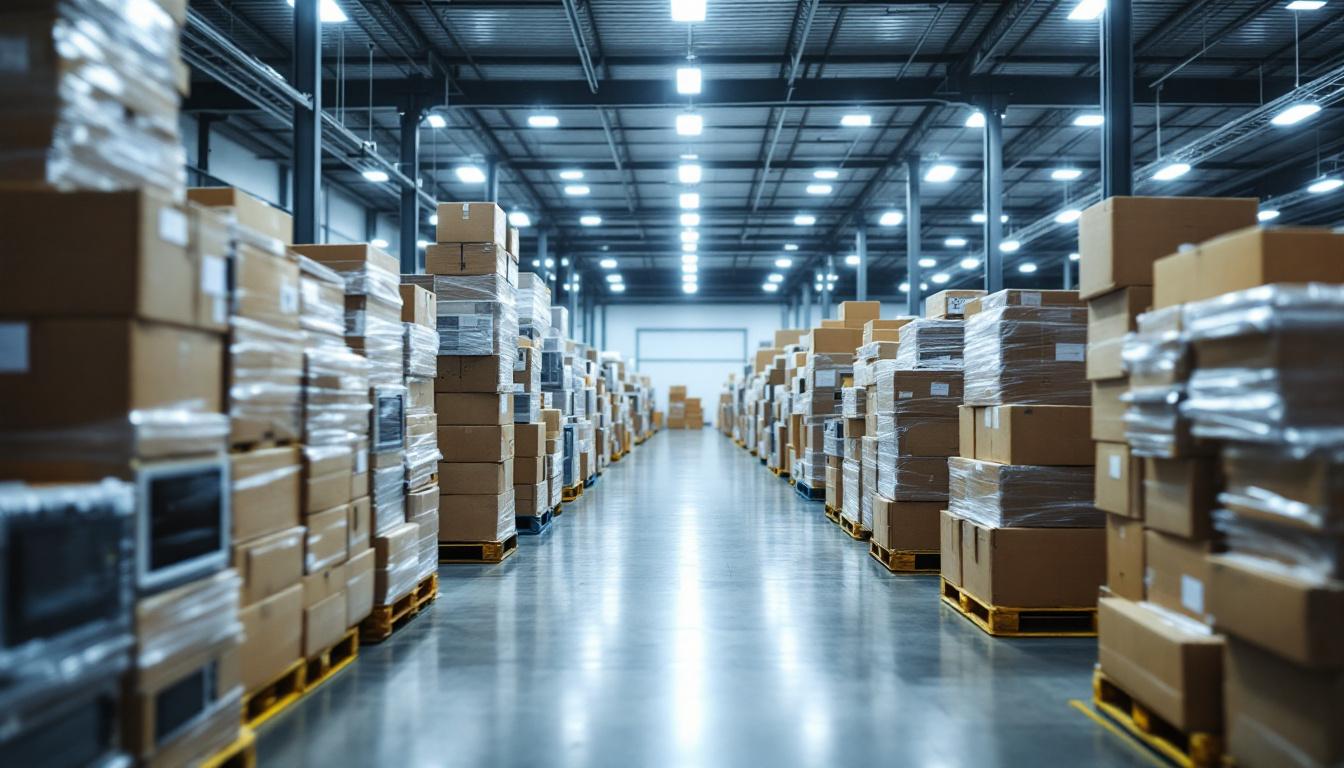
Liquidation auctions are platforms where retailers (like Amazon, Best Buy, Target, Walmart, Home Depot) and manufacturers offload unsold, returned, shelf-pull, or slightly damaged inventory. Instead of letting these items occupy valuable warehouse space or incur further costs, they sell them in bulk—often by the pallet or truckload—to liquidators, who then auction them off to resellers. The goal for the original seller is to recover some capital and clear inventory quickly, while for the buyer, it's an opportunity to acquire wholesale electronics at a fraction of their retail value.
Companies like Upscaled Distribution specialize in offering these types of wholesale electronics and liquidation services, acting as a trusted intermediary between large retailers and individual resellers. They consolidate goods into manageable buy liquidation pallets, providing an accessible entry point into this market.
Types of Liquidation Inventory
The diverse nature of liquidation auctions means you'll encounter various inventory conditions:
- Customer Returns: This is the most common category. Items are returned for a multitude of reasons (buyer's remorse, wrong size, minor defect, opened box). Condition can range from like-new to heavily used or even non-functional.
- Shelf Pulls: Brand new items that were pulled from store shelves due to overstock, seasonal clearance, or nearing end-of-life status. They are typically in perfect condition, often with original packaging intact.
- Overstock: Excess inventory that never made it to the shelves or sold through. Similar to shelf pulls, these are new items.
- Damaged Box/Open Box: The product itself is new or like-new, but the original packaging is damaged or has been opened