
The Unstoppable Rise of Recommerce: Powering the Future of Retail
In an era defined by rapid technological advancements, evolving consumer behaviors, and an increasing global consciousness towards sustainability, a powerful shift is reshaping the retail landscape. This transformation isn't about new products emerging from factories, but rather a sophisticated system built around giving existing products a second, third, or even fourth life. Welcome to the age of recommerce, a dynamic industry that is not just growing but absolutely booming, signaling a profound secondary market growth that no business can afford to ignore.
Once considered a niche segment, the resale of goods, particularly electronics, has exploded into a multi-billion-dollar industry, challenging traditional retail models and creating unprecedented opportunities for businesses and consumers alike. From individual sellers on platforms like eBay and Facebook Marketplace to sophisticated operations by major retailers and specialized liquidators, the mechanisms of recommerce are varied, complex, and incredibly effective.
This comprehensive guide will delve deep into the forces driving this phenomenal secondary market growth, explore the vast opportunities it presents, and offer practical insights for anyone looking to navigate or capitalize on the exciting resale industry future.
Understanding Recommerce: More Than Just Second-Hand Sales
At its core, recommerce refers to the process of selling previously owned or used products. However, it's far more sophisticated than the garage sales of yesteryear. Modern recommerce involves a professionalized, often tech-enabled approach to sourcing, authenticating, refurbishing, and reselling goods. This includes everything from consumer-to-consumer (C2C) transactions to business-to-consumer (B2C) and business-to-business (B2B) models.
While the concept of reselling isn't new, the current scale and structure of recommerce are unprecedented. It’s fueled by a confluence of economic, environmental, and technological factors that have converged to create a perfect storm for secondary market growth.
The Economic Imperative: Stretching Budgets and Finding Value
One of the most significant drivers of recommerce is undoubtedly economic. In a world grappling with inflation, rising living costs, and general economic uncertainty, consumers are increasingly seeking ways to maximize their purchasing power.
Affordability and Accessibility
For many, the allure of recommerce lies in affordability. High-value electronics, like the latest iPhone, Samsung Galaxy devices, or a top-tier gaming console, can come with hefty price tags. The secondary market offers these same products at a significantly reduced cost, making premium technology accessible to a broader demographic. This isn't just about saving money; it's about smart spending and conscious consumption. Consumers can acquire desired items without breaking the bank, often getting near-new condition products for a fraction of the original retail price. This economic advantage is a primary engine for secondary market growth.
Monetizing Unused Assets
On the flip side, recommerce provides a valuable avenue for consumers to monetize items they no longer need or use. Instead of letting old smartphones, laptops, or smart home devices gather dust, individuals can sell them, recouping some of their initial investment and funding future purchases. This circular economy of personal assets contributes substantially to the overall recommerce volume. Retailers like Best Buy and Apple have recognized this trend, offering trade-in programs that funnel used electronics back into the secondary market, often after refurbishment.
The Environmental Imperative: Sustainability and Circularity
Beyond economics, a powerful ethical and environmental consciousness is propelling recommerce forward. As concerns about climate change, resource depletion, and electronic waste (e-waste) mount, consumers and businesses alike are looking for more sustainable consumption models.
Reducing Waste and Extending Lifespans
Every electronic device manufactured has an environmental footprint, from resource extraction to production and distribution. When devices are discarded prematurely, valuable materials are lost, and harmful substances can contaminate the environment. Recommerce directly addresses this by extending the lifespan of products. By repairing, refurbishing, and reselling items, the recommerce industry actively diverts thousands of tons of e-waste from landfills annually. This commitment to a circular economy is a cornerstone of the resale industry future.
Conscious Consumerism
A growing segment of consumers is actively seeking out sustainable options. They prefer to buy pre-owned items not just for the cost savings but because it aligns with their values. Brands that embrace recommerce and promote the longevity of their products resonate strongly with this demographic. This shift towards conscious consumerism is not a fleeting trend but a fundamental change in how people view ownership and responsibility, making recommerce an increasingly attractive and ethically sound choice.
The Technological Imperative: Enabling Seamless Transactions
The digital revolution has been a critical enabler of the current recommerce boom. Without sophisticated online platforms and logistics, the scale and efficiency of today's secondary market would be impossible.
E-commerce Platforms and Marketplaces
The proliferation of robust e-commerce platforms has made buying and selling pre-owned goods incredibly easy and accessible. Websites like eBay, Swappa, Decluttr, and even general marketplaces like Amazon (via Amazon Renewed) and Facebook Marketplace provide the infrastructure for millions of transactions daily. These platforms offer secure payment processing, buyer/seller protection, shipping tools, and review systems, building trust and reducing friction in what was once a highly fragmented market.
Advanced Logistics and Supply Chain Management
The ability to efficiently collect, process, and distribute used goods globally is vital. This includes sophisticated grading systems for product condition, professional refurbishment centers, and optimized shipping networks. Technologies like advanced inventory management systems, data analytics for pricing, and even AI for authentication are streamlining operations and increasing profitability within the recommerce sector. This technological backbone is indispensable for sustained secondary market growth.
The Landscape of the Secondary Market: Focus on Electronics
While recommerce spans various product categories, electronics stand out as a particularly vibrant and high-value segment. The rapid pace of innovation, coupled with consumers' desire for the latest gadgets, creates a constant supply of perfectly functional, yet "outdated," devices.
Why Electronics Dominate Recommerce
- High Original Value: Electronics, especially smartphones, laptops, and gaming consoles, are expensive when new, making the savings on the
secondary markethighly attractive. - Frequent Upgrades: Tech companies like Apple and Samsung release new models annually, prompting many consumers to upgrade, even if their current device is still in excellent condition.
- Durability and Repairability: Many electronic devices are built to last, and even if they sustain minor damage, they are often repairable or refurbishable, allowing for a new lease on life.
- Standardization: Products like iPhones, MacBooks, or PlayStation consoles are widely recognized, making them easier to grade, price, and sell on the
secondary marketcompared to, say, custom furniture. - Strong Demand: The demand for affordable, reliable electronics is evergreen, spanning various demographics and global regions.
Key Categories Within Electronics
- Smartphones: The undisputed king of
recommerceelectronics. Brands like Apple, Samsung, Google Pixel, and OnePlus dominate this space. - Laptops & Desktops: MacBooks, Dell, HP, and Lenovo machines are highly sought after, especially for students, small businesses, and those needing a reliable backup device.
- Gaming Consoles: PlayStation, Xbox, and Nintendo consoles, along with their accessories and games, maintain strong resale value.
- Tablets: iPads and Android tablets offer a portable computing solution at a lower price point on the
secondary market. - Smart Home Devices & Wearables: Smartwatches, smart speakers, and other IoT devices are increasingly entering the
recommercestream. - Components & Parts: For professional refurbishers, individual components like screens, batteries, and motherboards represent a valuable segment.
Players in the Secondary Electronics Market
The secondary market for electronics is multifaceted, involving various types of entities:
- Consumer-to-Consumer (C2C): Individuals selling directly to other individuals via platforms like eBay, Craigslist, or local marketplaces. This is the most basic form of
recommerce. - Retailer Trade-In Programs: Major retailers (e.g., Best Buy, Target) and manufacturers (e.g., Apple, Samsung) offer trade-in credits for old devices, which they then refurbish or sell to third-party processors. Amazon Renewed is a prime example of a curated B2C marketplace for refurbished goods.
- Specialized Resellers/Refurbishers: Businesses that acquire used electronics, professionally refurbish them, and then sell them with warranties. These range from small independent shops to large-scale operations.
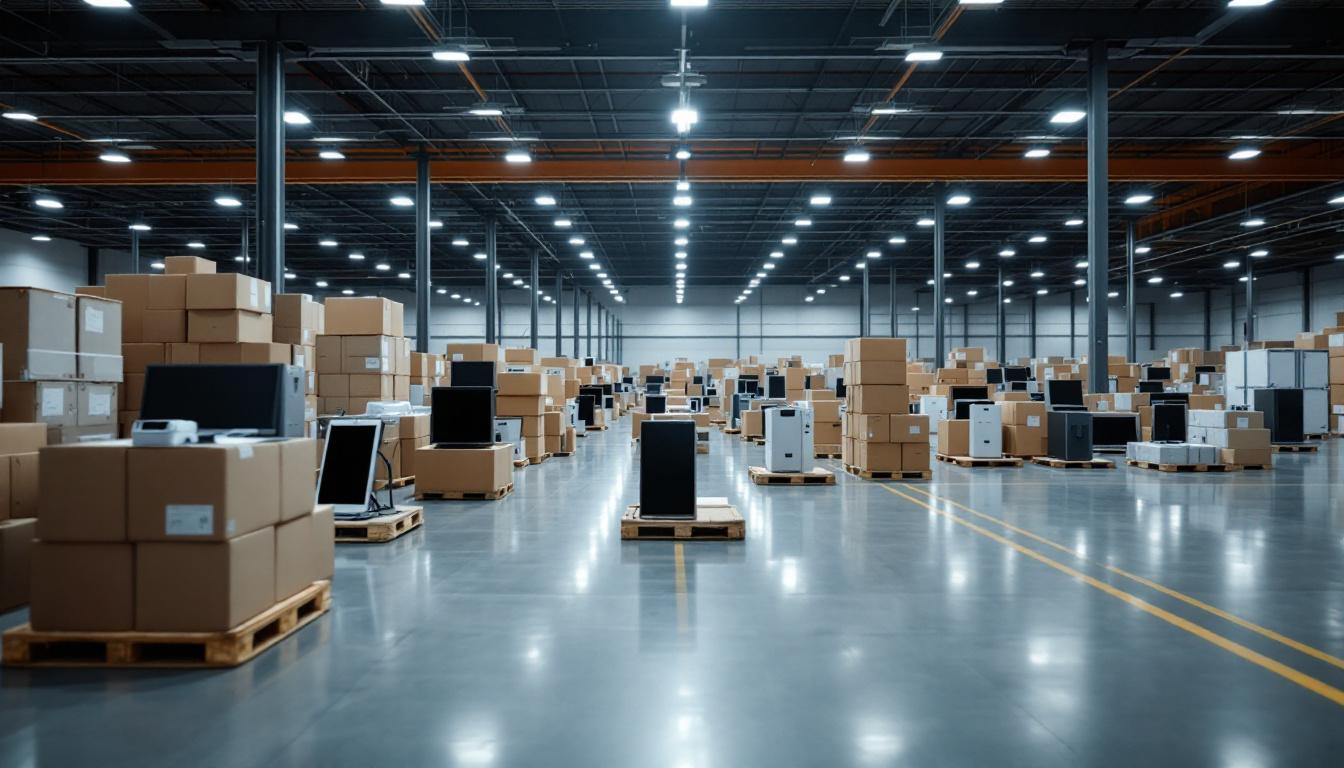
- Liquidation Companies: These companies, like Upscaled Distribution LLC, play a crucial B2B role by acquiring large volumes of excess inventory, customer returns, or end-of-life products from major retailers (e.g., Target, Walmart, Amazon) and manufacturers. They then sell these goods, often in bulk through liquidation pallets, to other businesses, resellers, and exporters. This is a vital source of supply for the broader
recommerceecosystem.
Opportunities in the Resale Industry Future
The secondary market growth is not just a trend; it's a fundamental shift creating immense opportunities across the entire supply chain.
For Traditional Retailers and Manufacturers
- Monetizing Returns and Overstock: Retailers face a massive challenge with customer returns and excess inventory. Instead of liquidating at a heavy loss or sending items to landfills,
recommerceprovides a structured way to recapture value. Partnering with companies specializing in liquidation services allows retailers to efficiently move these goods, reducing waste and improving their bottom line. - Expanding Customer Base: Offering certified pre-owned options can attract price-sensitive customers who might not otherwise engage with the brand. This can be a gateway to future full-price purchases.
- Enhancing Brand Image: Actively participating in
recommerceprograms demonstrates a commitment to sustainability, which can significantly boost brand reputation and appeal to environmentally conscious consumers. - Data and Insights: The
secondary marketprovides valuable data on product durability, common failure points, and long-term customer satisfaction, which can inform future product design and manufacturing.
For Entrepreneurs and Resellers
The resale industry future is particularly bright for those with an entrepreneurial spirit. The barrier to entry is relatively low, and the potential for profit is substantial.
Sourcing Strategies
- Liquidation Pallets: A powerful way to acquire inventory at competitive prices. Companies like Upscaled Distribution offer wholesale electronics and liquidation pallets sourced directly from major retailers, providing a diverse range of products from overstock to customer returns. This B2B channel is essential for scaling a
recommercebusiness. - Online Marketplaces: Scouting deals on platforms like eBay, Facebook Marketplace, and local classifieds can yield profitable flips.
- Trade-in Programs: Acquiring devices from consumer trade-in programs, often through aggregators, can be a consistent supply source.
- Direct from Consumers: Building relationships with individuals who regularly upgrade their electronics can create a steady stream of inventory.
Value Addition
Simply reselling an item "as is" is one approach, but significant profit margins often come from adding value:
- Refurbishment: Cleaning, repairing, and replacing components (screens, batteries) to bring devices back to near-new condition.
- Authentication: Verifying the authenticity of higher-value items to build buyer trust.
- Grading: Implementing a clear grading system (e.g., "like new," "excellent," "good") helps manage buyer expectations and justify pricing.
- Bundling: Combining devices with accessories (chargers, cases) can increase perceived value.
- Warranties: Offering a limited warranty on refurbished items provides peace of mind for buyers.
Marketing and Sales Channels
- Dedicated E-commerce Store: Building your own website allows for greater brand control and avoids marketplace fees.
- Major Marketplaces: Leveraging the reach of eBay, Amazon Renewed, or specialized tech resale sites.
- Social Media: Using platforms like Instagram and TikTok to showcase products and engage with potential buyers.
- Local Sales: For larger items or those requiring inspection, local pickups can be effective.
- Wholesale B2B: For those who acquire large volumes, selling to other resellers or international markets can be highly lucrative.
Navigating the Secondary Market: Practical Advice for Success
To thrive in the competitive but rewarding recommerce landscape, a strategic approach is essential.
1. Quality Control and Authentication: Building Trust is Paramount
The biggest challenge in the secondary market is often trust. Buyers need assurance that they are getting a genuine, functional product.
- Rigorous Testing: Implement comprehensive testing procedures for all electronic devices to ensure full functionality.
- Clear Grading System: Be transparent about the cosmetic and functional condition of each item. Use clear, consistent grades (e.g., A-grade, B-grade) with detailed descriptions and high-quality photos.
- Authentication: Verify that devices are not stolen and are free of iCloud or Google locks. Work with trusted suppliers like Upscaled Distribution who ensure clear title and proper processing of liquidation goods.
- Professional Refurbishment: Invest in skilled technicians and quality parts for repairs and refurbishment.
2. Pricing Strategies: Finding the Sweet Spot
Pricing correctly is crucial for profitability and competitiveness.
- Market Research: Constantly monitor competitor pricing on various platforms (eBay,