
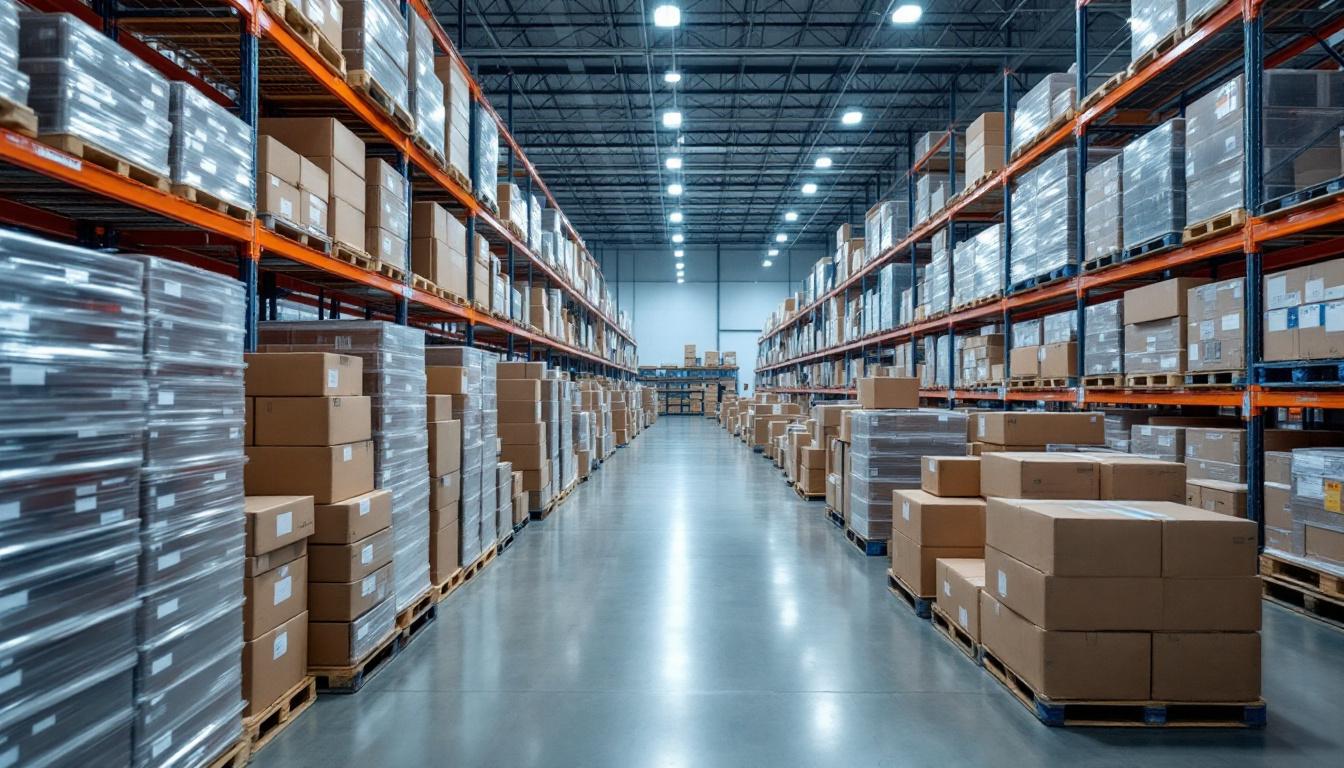
Target Liquidation vs Walmart Liquidation: A Side-by-Side Comparison
In the dynamic world of resale and wholesale, sourcing inventory is the cornerstone of a profitable business. For many entrepreneurs, liquidation pallets offer an enticing avenue to acquire goods at a fraction of their retail value. Among the most sought-after sources are two retail giants: Target and Walmart. Both provide massive volumes of customer returns, overstock, and shelf pulls, but their liquidation offerings present distinct characteristics, advantages, and challenges.
Understanding the nuances between Target liquidation and Walmart liquidation is crucial for any reseller looking to maximize their profits and minimize their risks. This comprehensive guide will provide a detailed retail liquidation comparison, breaking down what each retailer brings to the table, helping you make informed decisions for your inventory sourcing strategy.
The Landscape of Retail Liquidation: An Overview
Before diving into the specifics of Target and Walmart, let's briefly understand the broader context of retail liquidation. Major retailers generate vast quantities of merchandise that cannot be sold through conventional channels. This includes:
- Customer Returns: Items bought and returned by customers, often in varying conditions. This is a primary source for electronics liquidation.
- Overstock: Products ordered in excess of demand, leading to surplus inventory.
- Shelf Pulls: Items removed from store shelves, perhaps due to packaging damage, minor defects, or approaching expiration dates (less common for electronics).
- Seasonal Merchandise: Products that are no longer in season and need to be cleared to make way for new inventory.
- Discontinued Items: Products that are no longer part of a retailer's active catalog.
These goods are typically bundled into pallets or truckloads and sold to liquidators, who then offer them to resellers. The allure is clear: the potential to acquire high-value items like Apple iPhones, Samsung Galaxy devices, or Sony PlayStation consoles at significantly reduced prices. However, the profitability hinges on careful sourcing, accurate valuation, and effective resale strategies.
Target Liquidation: A Focus on Quality and Premium Goods
Target has cultivated a brand image synonymous with trendy, mid-to-high quality products, and this ethos extends to its liquidation offerings. When you delve into Target liquidation, you're often looking at a different class of merchandise compared to its competitor.
Characteristics of Target Liquidation Pallets
-
Product Quality and Brand Mix:
- Higher-End Electronics: Target frequently carries premium electronics brands. Expect to find items from Apple, Samsung, Sony, Bose, and high-end small appliances from brands like KitchenAid or Dyson. This can include anything from smart home devices, headphones, smartwatches, to laptops and gaming consoles.
- Fashion and Home Decor: Beyond electronics, Target is known for its stylish apparel, home goods, and exclusive designer collaborations. While our focus is electronics, these other categories can also be part of mixed pallets, often offering good resale value.
- Newer Models: Due to Target's faster inventory turnover for popular electronics, you might find more current generation devices in their liquidation streams compared to older models.
-
Condition of Goods:
- Generally Better Condition: Target's return policy and customer demographic often result in items being returned in better overall condition. You're more likely to find "like new" or "open box" items, even if they're considered customer returns. Packaging might be distressed, but the product itself often remains functional and aesthetically pleasing.
- Less Damage: While damage is always a risk in liquidation,
Target liquidationoften presents a lower incidence of severely damaged or non-functional electronics compared to general merchandise liquidators.
-
Manifesting and Transparency:
- More Detailed Manifests: Target often provides more detailed manifests, especially for higher-value electronics pallets. These manifests list specific SKUs, quantities, and sometimes even original retail prices, allowing for better pre-purchase valuation. This transparency can significantly reduce risk for buyers.
- Curated Pallets: Sometimes, Target's liquidation streams might be more specialized, offering pallets concentrated on a particular category like "Electronics" or "Small Appliances," which can be advantageous for niche resellers.
Advantages of Sourcing from Target Liquidation
- Higher Average Selling Price (ASP): The premium nature of Target's products translates to a higher potential ASP for individual items. This means fewer sales are needed to hit profit targets.
- Stronger Brand Recognition: Selling known brands like Apple or Samsung is easier, as customers are familiar with their quality and features. This can lead to quicker sales and better margins.
- Reduced Refurbishment Effort: With items often in better condition, the time and cost associated with testing, cleaning, and repairing might be lower, improving efficiency.
- Targeted Niche Opportunities: If your business specializes in premium electronics, smart home devices, or high-end small appliances,
Target liquidationcan be a consistent source for your inventory.
Disadvantages of Sourcing from Target Liquidation
- Higher Entry Cost: Pallets from Target typically command a higher price upfront due to the perceived quality and brand value of the merchandise.
- Fiercer Competition: Due to the desirability of Target's goods, competition among buyers can be intense, potentially driving up auction prices.
- Lower Volume per Pallet (Sometimes): While the value per item is higher, individual pallets might contain fewer units compared to the sheer volume you might find in a
Walmart liquidationgeneral merchandise pallet. - Less Frequent Large-Scale Availability: While consistent, finding massive truckloads of pure electronics from Target might be less frequent than general merchandise from Walmart.
Walmart Liquidation: Volume, Variety, and Value
Walmart, as the world's largest retailer, operates on a colossal scale. Its liquidation offerings reflect this, providing immense volume and an incredibly diverse range of products. When considering Walmart liquidation, think broad appeal and high turnover.
Characteristics of Walmart Liquidation Pallets
-
Product Variety and Brand Mix:
- Extremely Diverse: Walmart liquidation encompasses everything imaginable – consumer electronics (from budget brands to mid-range Samsung and LG TVs), toys, home goods, health & beauty, apparel, sporting goods, tools, and much more. You'll find a mix of national brands and Walmart's private labels.
- Budget to Mid-Range Electronics: While you can occasionally find higher-end electronics, the bulk of Walmart's electronic liquidation will consist of more budget-friendly brands like RCA, Vizio, Onn (Walmart's private label), and popular mid-range items like Roku devices, inexpensive laptops, or gaming accessories.
- General Merchandise Focus: Many Walmart liquidation pallets are "general merchandise" mixed pallets, meaning they contain a wide array of product types, making sorting and processing a significant task.
-
Condition of Goods:
- Highly Variable Condition: This is one of the most significant differences.
Walmart liquidationpallets are known for their highly mixed condition. You will find brand new items, open-box items, partially damaged items, and a higher percentage of non-functional or severely damaged items. - "As Is" Nature: Buyers must be prepared for a substantial portion of items needing repair, parts, or being designated for salvage. This necessitates robust testing and refurbishment capabilities.
- Highly Variable Condition: This is one of the most significant differences.
-
Manifesting and Transparency:
- Less Detailed Manifests: While some pallets may have manifests, they are often less detailed than Target's, especially for general merchandise. They might list category counts rather than specific SKUs for every item. This means more uncertainty and a higher degree of risk.
- Unmanifested Pallets: It's common to find unmanifested
Walmart liquidationpallets, particularly for smaller lots or specific categories, adding to the "treasure hunt" aspect but also the risk.
Advantages of Sourcing from Walmart Liquidation
- Lower Entry Cost: Pallets from Walmart are generally more affordable, making them accessible to a wider range of resellers, including those just starting out.
- High Volume Potential: The sheer volume of goods available means you can often secure large quantities of inventory, allowing for economies of scale.
- Diverse Resale Channels: With such a wide variety of products, you can cater to numerous resale channels – from eBay and Amazon FBA to local flea markets, pawn shops, and specialized parts resellers.
- Finding Hidden Gems: The "treasure hunt" nature, especially with unmanifested pallets, can occasionally yield incredibly profitable discoveries.
- Consistent Availability: Due to Walmart's size, there's a more consistent and often higher volume of liquidation stock available.
Disadvantages of Sourcing from Walmart Liquidation
- Higher Risk of Damaged Goods: A greater percentage of items may be non-functional, incomplete, or severely damaged, requiring more processing time and potentially reducing overall profitability if not managed correctly.
- Lower Average Item Value: While you buy more items, the average individual item's resale value might be lower, requiring more sales to achieve the same profit as fewer, higher-value Target items.
- Significant Sorting and Processing: General merchandise pallets demand considerable time for sorting, testing, cleaning, and categorizing. This labor cost must be factored into your business model.
- Intense Competition (for certain categories): While general merchandise is abundant, specific desirable electronics categories can still attract high bidding.
Retail Liquidation Comparison: Target vs. Walmart - A Side-by-Side Look
To summarize the key differences and help you decide, here's a direct retail liquidation comparison:
| Feature | Target Liquidation | Walmart Liquidation | | :--------------------------- | :------------------------------------------------------------------------------- | :---------------------------------------------------------------------------------- | | Product Quality | Generally higher-end, premium brands (Apple, Samsung, Bose, Dyson) | Mix of budget to mid-range electronics, general merchandise, private labels | | Condition of Goods | Often "like new," open box, or good condition; less severe damage | Highly variable: new, open box, damaged, non-functional; higher percentage of defects | | Manifesting Transparency | More detailed manifests for higher-value items; sometimes specialized pallets | Often less detailed; many unmanifested general merchandise pallets | | Average Item Value | Higher, due to premium brands and better condition | Lower, but higher volume potential | | Entry Cost | Higher initial investment per pallet | Lower initial investment per pallet | | Volume & Availability | Consistent, but less frequent large truckloads of pure electronics | High volume, consistent availability across various categories | | Risk Profile | Moderate risk; higher upfront cost, but generally better quality | Higher risk due to mixed condition and less transparency | | Processing Effort | Moderate; less cleaning/repair, more focus on individual item listing | High; significant sorting, testing, cleaning, and potential repair | | Ideal Buyer Profile | Niche resellers, those focusing on premium electronics, e-commerce stores | Volume resellers, general merchandisers, those with refurbishment capabilities |
Practical, Actionable Advice for Resellers
Regardless of whether you lean towards Target liquidation or Walmart liquidation, success in this industry requires a strategic approach.
1. Do Your Homework (Research is King!)
- Market Value: Before bidding on any pallet, research the current resale value of potential items on platforms like eBay (completed listings), Amazon, and local marketplaces. Understand what similar "open box" or "used" items are actually selling for.
- Manifest Analysis: If a manifest is provided, scrutinize it. Estimate the potential value of each item. Be wary of manifests that seem too good to be true or lack sufficient detail. For electronics, specifically look for model numbers.
- Supplier Reputation: Work with reputable liquidation brokers and platforms. A trusted partner like Upscaled Distribution can provide access to quality liquidation inventory and transparent processes.
2. Understand Your Capabilities
- Processing Power: Do you have the space, time, and manpower to sort, test, clean, and photograph hundreds of items from a large
Walmart liquidationgeneral merchandise pallet? Or are you better suited for fewer, higher-value items fromTarget liquidation? - Refurbishment Skills: For electronics, can you perform basic testing (power on, screen check), data wipes, and minor repairs? Having these skills can significantly increase the profitability of damaged items.
- Sales Channels: Where will you sell your items? eBay, Amazon FBA, local sales, specialized electronics forums? Each channel has different fees, requirements, and customer bases.
3. Start Small and Scale Up
- Pilot Purchases: If you're new to a particular liquidation source, start with a smaller pallet or lot to understand the quality, condition, and typical profit margins before committing to a larger investment.
- Track Everything: Keep detailed records of your purchase costs, processing time, shipping fees, selling fees, and final sale prices for every item. This data is invaluable for optimizing your future purchases.