
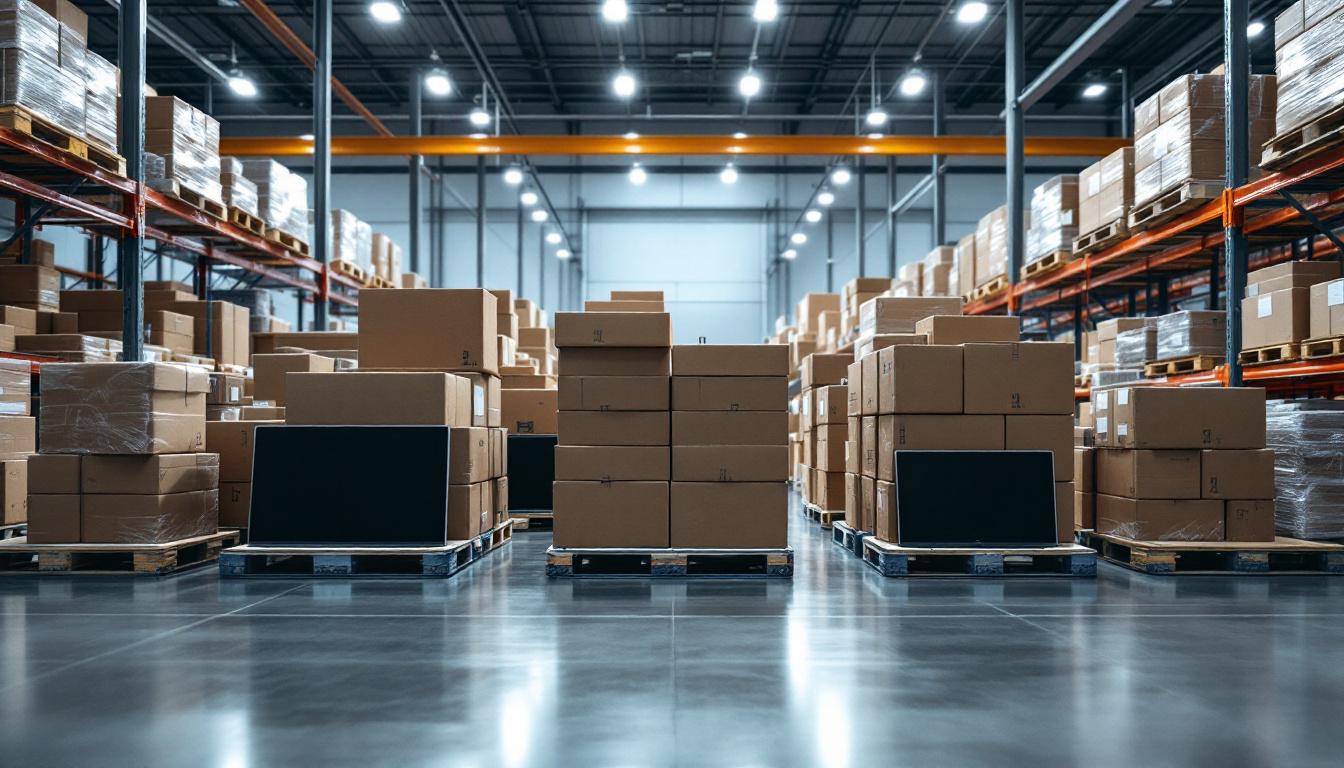
Mastering the intricacies of shipping and logistics is not just an advantage for liquidation resellers – it's an absolute necessity. In the fast-paced world of wholesale electronics and liquidation goods, where margins can be tight and inventory moves quickly, efficient reseller logistics can be the difference between thriving and merely surviving. From the moment you acquire a pallet of customer returns from major retailers like Best Buy, Target, or Amazon, to the point where a refurbished Apple iPhone or Samsung Galaxy reaches your customer, every step of the journey impacts your bottom line and reputation.
This comprehensive guide will equip you with practical, actionable advice on navigating the complex world of liquidation shipping, ensuring your products arrive safely, cost-effectively, and on time. We'll delve into everything from receiving your inventory to preparing it for shipment, choosing the right carriers, and leveraging technology to streamline your operations.
The Foundation: Understanding Your Liquidation Inventory
Before you can even think about shipping, you need to understand what you're dealing with. Liquidation electronics often come in various conditions – new, open box, refurbished, or simply customer returns with unknown issues. This diversity directly impacts how you handle, store, and ultimately ship them.
Types of Electronics and Their Shipping Needs
- Small, Fragile Items (Smartphones, Smartwatches, Earbuds): Devices like an Apple Watch, AirPods, or a Google Pixel phone require robust individual packaging. They are susceptible to impact damage and often contain sensitive components.
- Medium-Sized Items (Laptops, Tablets, Gaming Consoles): A MacBook Pro, an iPad, or a PlayStation 5 needs secure cushioning and often an outer box that can withstand stacking. Battery regulations also apply here.
- Large Items (TVs, Monitors, Home Appliances): Flat-screen TVs, large monitors, or even small kitchen appliances found in liquidation lots require specialized handling, often needing their original packaging or custom crating, and may necessitate freight shipping.
Understanding these distinctions from the outset will inform your packaging choices, carrier selection, and overall reseller logistics strategy. When you're sourcing inventory from reputable platforms like QuickLotz or bidding on QuickBidz liquidation auctions, it's crucial to factor in these considerations even before the pallets arrive at your door.
Receiving Your Liquidation Pallets: The First Critical Step
The moment your liquidation pallets arrive, a crucial process begins that sets the stage for efficient shipping. Poor receiving practices can lead to inventory discrepancies, damage, and headaches down the line.
Inspection and Documentation
- Count Pallets: Immediately verify the number of pallets against your Bill of Lading (BOL). Any discrepancies should be noted on the BOL before the driver leaves.
- Inspect for Visible Damage: Look for torn shrink wrap, broken pallets, crushed boxes, or any signs of tampering. Take clear photos of any damage. This is vital for filing claims later.
- Document Everything: Create a detailed receiving log. Include the date, supplier (e.g., a specific lot from QuickLotz), BOL number, number of pallets, and a summary of any visible damage.
- Unload Carefully: Use appropriate equipment (pallet jack, forklift) to unload pallets safely. If unloading by hand, ensure boxes are handled gently, especially if they contain delicate electronics.
Initial Sorting and Inventory Management
Once unloaded, begin an initial sort. This isn't a full breakdown, but rather separating obvious categories or identifying high-value items that need immediate secure storage. Implement an inventory management system from day one. This could be a simple spreadsheet for smaller operations or dedicated software for larger ones. Track SKU, condition, source, and initial observations. This foresight will greatly simplify your liquidation shipping process later on.
Preparing Your Inventory for Resale: Processing & Packaging
After receiving, the real work begins: processing, testing, and packaging individual items. This is where you add value and prepare your products for safe transit to your customers.
Testing and Grading
Every electronic item from a liquidation pallet should ideally be tested.
- Functionality Tests: Power on, test basic functions (e.g., screen, buttons, ports, camera for phones).
- Cosmetic Grading: Assign a clear grade (A, B, C, or New, Open Box, Used-Good, Used-Acceptable) based on cosmetic condition. Be transparent and consistent.
- Minor Repairs: For some items, minor repairs (e.g., replacing a battery, cleaning ports) can significantly increase resale value. Decide if this is cost-effective for your business.
Packaging Best Practices for Individual Items
Proper packaging is paramount to prevent damage during transit. Remember, every damaged item is a loss.
- Inner Packaging:
- Anti-static bags: Essential for sensitive electronics like motherboards, hard drives, and circuit boards.
- Bubble wrap: Generously wrap items, especially screens and corners. Use multiple layers for fragile items.
- Foam inserts/peanuts: Fill voids within the inner box to prevent movement.
- Original packaging: If available and in good condition, always use it. It provides the best protection and enhances perceived value.
- Outer Box Selection:
- Sturdy corrugated boxes: Don't skimp on box quality. Use new, strong boxes, especially for electronics. Double-wall boxes are excellent for heavier or more fragile items.
- Right size: The box should be just large enough to accommodate the item and adequate cushioning without excessive empty space or being overly tight.
- Sealing:
- Strong packing tape: Use high-quality, wide packing tape. Apply it generously across all seams, especially the bottom flaps. The "H" method (taping seams and then across the middle) is recommended.
- Labeling:
- Clear shipping labels: Ensure labels are printed clearly, securely attached, and free from obstructions. Include return address.
- "Fragile" stickers: While not a guarantee, they can sometimes encourage gentler handling. Use them judiciously for genuinely fragile items.
Shipping Individual Items: Parcel Services
For most liquidation resellers, shipping individual electronics to end-users will involve parcel carriers like USPS, FedEx, and UPS. Understanding their services and nuances is key to effective liquidation shipping.
Choosing the Right Carrier
Each carrier has strengths and weaknesses:
- USPS: Often the most economical for small, lightweight items (e.g., smartphones, accessories). Priority Mail Flat Rate boxes can be cost-effective for certain weights.
- FedEx & UPS: Generally better for heavier, larger, or higher-value items. They offer more robust tracking, insurance options, and often faster transit times. They also tend to have better handling for larger packages.
- Regional Carriers: Consider regional carriers for local deliveries, as they can sometimes offer competitive rates and faster service within their specific areas.
Key Considerations:
- Cost: Compare rates using online calculators or shipping software. Factor in dimensional weight for larger, lighter packages.
- Speed: Standard ground shipping is usually sufficient, but expedited options are available for urgent orders.
- Insurance: Always insure high-value electronics. Carrier-provided insurance has limits; consider third-party insurance for expensive items.
- Tracking: Ensure all shipments have robust tracking capabilities.
- Pickup vs. Drop-off: Evaluate the convenience and cost of scheduling pickups versus dropping off packages at service centers.
Packaging for Parcel Shipping (Revisited)
Even with the best carrier, poor packaging leads to damage.
- Double Boxing: For highly fragile or expensive electronics (e.g., a high-end gaming PC monitor), consider double boxing. Place the primary packaged item in a slightly larger outer box with 2-3 inches of cushioning material on all sides.
- Battery Regulations: Electronics with lithium-ion batteries have specific shipping regulations. Understand restrictions for air cargo, labeling requirements, and quantity limits. Most small consumer electronics can be shipped via ground services without major issues, but always check current regulations, especially for international shipments.
Streamlining Your Parcel Shipping Process
- Shipping Software: Integrate with platforms like ShipStation, Shopify Shipping, or Pirate Ship. These tools allow you to compare rates, print labels, manage orders, and automate notifications.
- Volume Discounts: As your shipping volume increases, negotiate better rates directly with carriers.
- Batch Processing: Print labels in batches to save time.
- Pre-printed Labels: For common items, have pre-printed labels or templates ready.
Shipping Pallets (LTL Freight): When and How
While most of your sales might be individual items, you may occasionally need to ship entire pallets or multiple boxes as a single freight shipment. This is where pallet shipping tips become invaluable. This is common when you're moving inventory between warehouses, sending bulk orders to other resellers, or even selling large lots yourself.
LTL (Less-Than-Truckload) Freight Explained
LTL freight is for shipments that don't require an entire truck. You share truck space with other shippers, making it more cost-effective for larger quantities than multiple parcel shipments.
Preparing Your Pallets for Freight
- Choose the Right Pallet: Use standard 48"x40" 4-way entry pallets that are sturdy and in good condition. Don't use broken or flimsy pallets.
- Stacking:
- Evenly distribute weight: Place heavier items at the bottom.
- Keep flat top: Ensure the top layer is as flat as possible for stability and to allow for potential stacking by the carrier.
- Don't overhang: Boxes should not extend beyond the pallet's edges. This makes the pallet unstable and prone to damage.
- Securing the Load:
- Shrink wrap: Wrap the entire pallet tightly with multiple layers of industrial-strength stretch wrap. Start from the bottom, overlap generously, and go all the way to the top. Consider wrapping around the pallet stringers for added stability.
- Strapping: For very heavy or unstable loads, use polyester or steel strapping in addition to shrink wrap.
- Corner protectors: Add cardboard or plastic corner protectors to prevent strapping from cutting into boxes.
- Labeling:
- Two labels per pallet: Affix at least two shipping labels on opposite sides of the pallet, ensuring they are clearly visible and securely attached. Include your company name, address, and the recipient's information.
- "Do Not Stack" (if applicable): If your pallet cannot withstand another pallet on top (e.g., delicate electronics, odd shapes), affix "Do Not Stack" labels, but be aware that carriers may charge extra or not always adhere to this.
Finding a Freight Carrier/Broker
- Freight Brokers: Using a freight broker is often the easiest way for small to medium-sized businesses to get competitive LTL rates. Brokers work with multiple carriers and can find the best service and price for your specific needs.
- Direct Carriers: You can contact LTL carriers directly, but brokers often have better volume discounts.
- Get Quotes: Provide accurate information (weight, dimensions, freight class, origin/destination, whether it's residential/commercial, liftgate needed) to get precise quotes. Inaccurate information can lead to hefty re-bill charges.
The Bill of Lading (BOL)
The BOL is the most important document for LTL freight. It acts as a contract between you and the carrier, a receipt for goods, and a title of ownership.
- Accuracy is Key: Ensure all information on the BOL is 100% accurate: shipper and consignee details, number of pieces, description of goods, weight, dimensions, and freight class.
- Freight Class: This is a standardized classification based on density, stowability, handling, and liability. Electronics typically fall into higher freight classes due to their value and fragility. Incorrect freight class is a common reason for re-bills.
- Signatures: Both you (or your representative) and the carrier's driver must sign the BOL. Keep a copy for your records.
These pallet shipping tips are crucial for ensuring your large volume shipments, perhaps sourced from a wholesale electronics marketplace like QuickLotz, arrive without incident.
Logistics Technology & Tools for Resellers
Leveraging technology can significantly enhance your reseller logistics efficiency.
- Inventory Management Systems (IMS): Tools like Zoho Inventory, TradeGecko (now QuickBooks Commerce), or even robust Excel spreadsheets can track stock levels, locations, conditions, and sales data. This is vital for knowing what to ship and when.
- Shipping Software: Platforms mentioned earlier (ShipStation, etc.) automate label creation, rate comparison, and tracking updates.
- Warehouse Management Systems (WMS): For larger operations, a WMS can optimize storage, picking, packing, and shipping processes within your warehouse.
- CRM (Customer Relationship Management): Integrates with your sales channels to manage customer orders, inquiries, and shipping notifications.
Common Pitfalls in Liquidation Shipping and How to Avoid Them
Even with the best planning, challenges arise. Being prepared can mitigate their impact.
- Damaged Shipments:
- Prevention: Impeccable packaging, clear labeling, and choosing reputable carriers.
- Action: Document damage immediately (photos!), file claims promptly with the carrier, and understand their claims process.
- Lost Shipments:
- Prevention: Use carriers with robust tracking,