
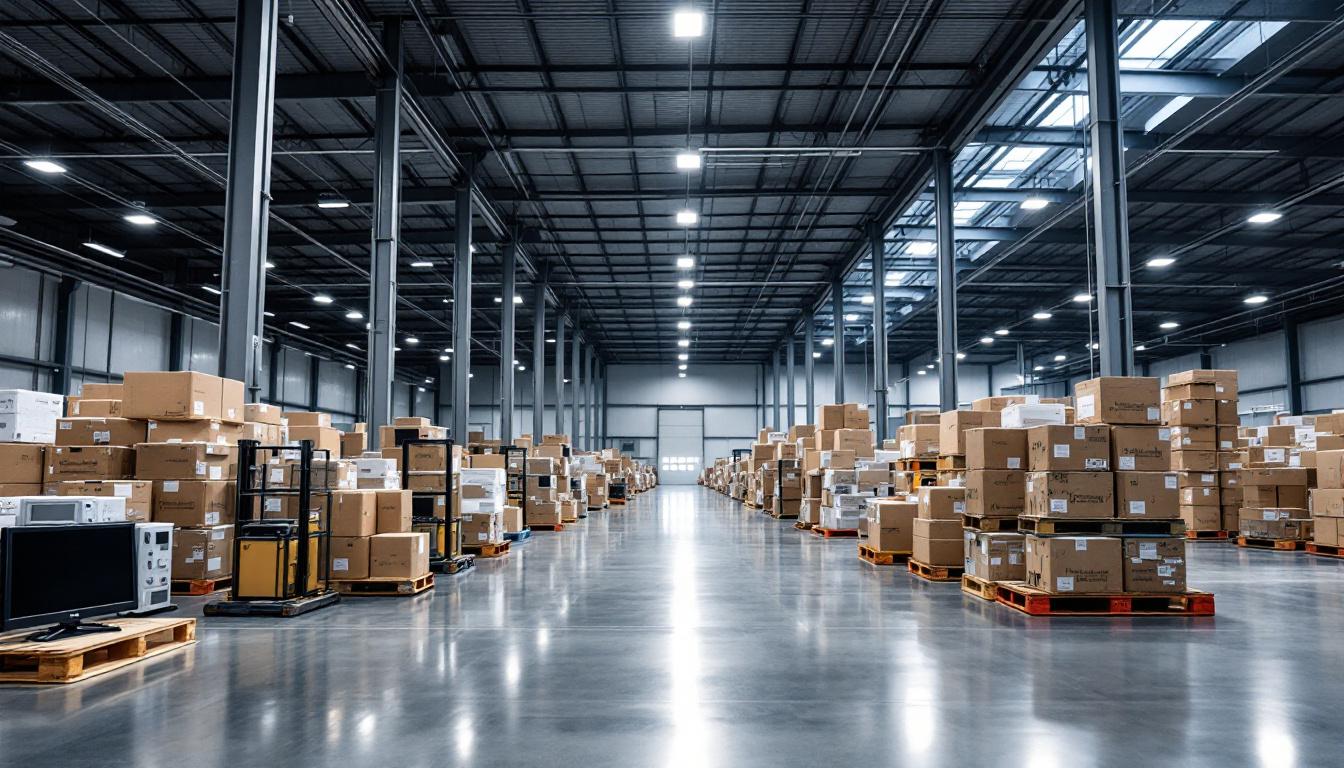
How to Start a Liquidation Business in 2026: Complete Guide
The world of retail is constantly evolving, and with it, the opportunities for savvy entrepreneurs to carve out profitable niches. One such enduring opportunity lies in the liquidation business. As major retailers like Amazon, Best Buy, and Target face an increasing volume of customer returns, overstock, and discontinued merchandise, the need for efficient asset recovery has never been greater. For aspiring business owners looking to start a liquidation business in 2026, this landscape presents a robust opportunity for liquidation reselling.
This comprehensive guide will walk you through everything you need to know to successfully launch and grow your own liquidation business, focusing particularly on the lucrative electronics sector. From understanding the market dynamics to sourcing inventory, managing operations, and selling your products, we'll cover the essential steps to turn surplus stock into significant profit.
Understanding the Liquidation Landscape
Before you dive into how to start a liquidation business, it's crucial to grasp what liquidation truly entails and why it's a booming industry. Liquidation refers to the process of converting assets, often excess or unwanted inventory, into cash. For retailers, this clears warehouse space and recovers some capital. For you, the liquidator, it means acquiring products at a fraction of their retail value, creating substantial profit margins.
Why the Liquidation Business is Thriving in 2026
Several factors contribute to the ongoing growth of the liquidation market:
- E-commerce Growth & Returns: The explosion of online shopping has led to a corresponding surge in product returns. Customers often buy multiple items to try on or compare, returning what they don't want. These returns, even if pristine, often can't be resold as "new" by retailers.
- Supply Chain Fluctuations: Global supply chain disruptions can lead to retailers over-ordering or receiving goods too late, resulting in excess inventory that needs to be moved quickly.
- Rapid Product Cycles: Especially in electronics, new models are released frequently (e.g., Apple iPhones, Samsung Galaxy phones, gaming consoles). Older models quickly become "overstock" that needs to be cleared.
- Sustainability Trends: Reselling liquidated goods promotes a circular economy, reducing waste and appealing to environmentally conscious consumers.
Types of Liquidation Inventory
Understanding the different categories of liquidated goods is vital, especially when you start a liquidation business in electronics:
- Customer Returns: The most common type. Items returned by customers, often due to preference, minor defects, or simply not wanting the product. Condition can range from "like new" to moderately used or even damaged.
- Overstock: Brand new, unopened items that a retailer simply ordered too much of, or that didn't sell as anticipated. These are often the most desirable for liquidation reselling.
- Shelf Pulls: Items that were displayed on shelves but never sold. They are typically new but may have cosmetic damage to packaging or be missing minor accessories.
- Salvage/Damaged: Items that are significantly damaged, either in transit or in-store. These often require repair or are sold for parts.
- Refurbished: Items that have been returned, repaired, and restored to working condition by the manufacturer or a professional refurbisher.
Electronics are a particularly attractive niche within the liquidation business due to their high demand, relatively stable value, and potential for repair. Items like laptops, smartphones, tablets, smartwatches, gaming consoles, and small kitchen appliances from brands like Apple, Samsung, Sony, and Microsoft consistently fetch good prices on the secondary market.
Step 1: Research and Niche Selection
The first actionable step to start a liquidation business is thorough research and defining your niche.
Market Research: Demand and Competition
Before investing a single dollar, understand your target market.
- Who are your potential customers? Are they budget-conscious individuals, small businesses, or other resellers?
- What electronics are in high demand on secondary markets? (e.g., specific phone models, gaming systems, drones). Check platforms like eBay, Amazon, and local marketplaces for trending items and their resale value.
- Who are your competitors? What are they selling, at what price points, and what are their strengths and weaknesses?
Defining Your Niche
While general electronics can be profitable, specializing can give you an edge. Consider:
- Specific product categories: Smartphones, laptops, gaming systems, smart home devices, audio equipment.
- Brands: Apple-focused, Samsung-focused, or a mix of popular brands.
- Condition: Do you want to deal primarily with new/overstock items, or are you willing to invest in testing and repairing customer returns?
- Value proposition: Will you focus on high-volume, low-margin sales, or lower-volume, higher-margin items (e.g., high-end refurbished electronics)?
Choosing a niche allows you to become an expert, streamline your sourcing, and target your marketing more effectively. This focus is critical for anyone looking to start a liquidation business with a clear path to profitability.
Step 2: Business Planning and Legalities
Every successful liquidation business starts with a solid foundation.
Develop a Business Plan
A business plan is your roadmap. It doesn't have to be a novel, but it should cover:
- Executive Summary: An overview of your business concept.
- Company Description: What your business does, your mission, and vision.
- Market Analysis: Your research on demand, target customers, and competition.
- Organization & Management: Your legal structure, team, and key personnel.
- Service/Product Line: The types of electronics you'll sell.
- Marketing & Sales Strategy: How you'll reach customers and sell products.
- Financial Projections: Startup costs, operating expenses, revenue forecasts, and break-even analysis.
Legal Structure, Licenses, and Permits
- Choose a Legal Structure: Common options include Sole Proprietorship, LLC (Limited Liability Company), or S-Corp. An LLC offers personal liability protection, which is highly recommended for a liquidation business.
- Register Your Business: Register your business name with your state and obtain an Employer Identification Number (EIN) from the IRS, even if you don't plan to hire employees immediately.
- Obtain Necessary Licenses and Permits: Requirements vary by location, but you'll likely need a general business license. If you're selling online, check specific state sales tax requirements. If you plan to import, be aware of customs regulations.
- Open a Business Bank Account: Keep personal and business finances separate from day one.
Step 3: Sourcing Inventory – The Lifeblood of Your Business
Sourcing is arguably the most critical component of how to start a liquidation business. Your success hinges on acquiring quality inventory at competitive prices.
Direct from Major Retailers
Some large retailers like Best Buy, Target, and even Amazon have their own liquidation programs, often selling pallets directly from their distribution centers. However, these channels typically require significant volume commitments, established business history, and can be highly competitive. It's often easier for new businesses to start with intermediaries.
Liquidation Marketplaces and Auction Sites
This is where the majority of new liquidation reselling businesses begin. These platforms aggregate inventory from multiple retailers and manufacturers, offering a wide variety of pallets and lots.
- Online Liquidation Marketplaces: Platforms like QuickLotz are major players in the liquidation industry. They serve as a wholesale electronics marketplace, offering a wide range of liquidation pallets on QuickLotz from various categories, including electronics. These platforms often provide manifests (detailed lists) of items in a pallet, which is invaluable for assessing potential profit. Look for a trusted liquidation platform that offers transparency.
- Online Auction Sites: For those who enjoy the thrill of bidding and potentially snagging great deals, platforms like QuickBidz offer QuickBidz liquidation auctions. You can bid on liquidation lots, including electronics pallets, directly. It's an excellent way to acquire diverse inventory, but requires careful budgeting and understanding of auction dynamics. Being able to bid on liquidation lots gives you more control over your purchasing price.
When sourcing, be aware of:
- Manifests: Always try to get a manifest detailing the contents of a pallet. This helps you estimate potential value and profit.
- Condition Grades: Understand the grading system (A, B, C, D) used by the seller. A-grade is typically new/overstock, while C/D grades might be damaged or non-working returns.
- Shipping Costs: Factor in freight shipping costs, which can significantly impact your profit margins.
- Trusted Partners: Working with reputable suppliers is key. For a reliable source of wholesale electronics and to buy liquidation pallets, consider Upscaled Distribution LLC. We partner with leading platforms like QuickLotz and QuickBidz to ensure our clients have access to diverse and high-quality inventory. Our experience in the liquidation industry makes us a trusted source for your inventory needs.
Step 4: Processing and Managing Inventory
Once you've acquired your first batch of liquidation pallets on QuickLotz or won some items from QuickBidz liquidation auctions, the real work of liquidation reselling begins.
Receiving and Sorting
- Unload and Organize: Carefully unload your pallets. Have a designated area for unpacking.
- Initial Sort: Separate items by category (e.g., phones, laptops, accessories), brand, and initial perceived condition.
Testing and Repair (Especially for Electronics)
This is a critical step for electronics and can significantly increase your profit margins.
- Test Functionality: For every electronic item, test its core functions. Does the phone turn on? Does the laptop boot? Does the camera work?
- Assess Condition: Document any cosmetic damage (scratches, dents), missing parts, or functional issues.
- Repair or Refurbish: If you have the skills, repair minor issues (e.g., replacing a faulty charging port, cleaning components). For more complex repairs, consider outsourcing or selling as "for parts."
- Data Wiping: For devices like phones and laptops, ensure all previous user data is securely wiped to protect privacy.
Grading and Pricing
Based on your testing and assessment, assign a grade to each item (e.g., "New Open Box," "Like New," "Good Condition," "Fair Condition," "For Parts"). Then, research comparable sold listings on platforms like eBay or Amazon to determine a competitive resale price. Always factor in your acquisition cost, shipping, processing time, and desired profit margin.
Storage Solutions
As your liquidation business grows, efficient storage becomes paramount.
- Designated Workspace: Start with a dedicated area in your home, garage, or a small storage unit.
- Shelving and Bins: Invest in sturdy shelving and clear bins to keep inventory organized and easily accessible.
- Inventory Management System: Even a simple spreadsheet initially can track what you have, its condition, cost, and where it's stored.
Step 5: Sales Channels and Marketing
Having great inventory is only half the battle; you need effective channels to sell it.
Online Marketplaces
These are the bread and butter for most liquidation reselling businesses:
- eBay: Excellent for a wide variety of electronics, both new and used. Utilize good photos, detailed descriptions, and competitive pricing.
- Amazon FBA (Fulfillment by Amazon): Ideal for new or "like new"