
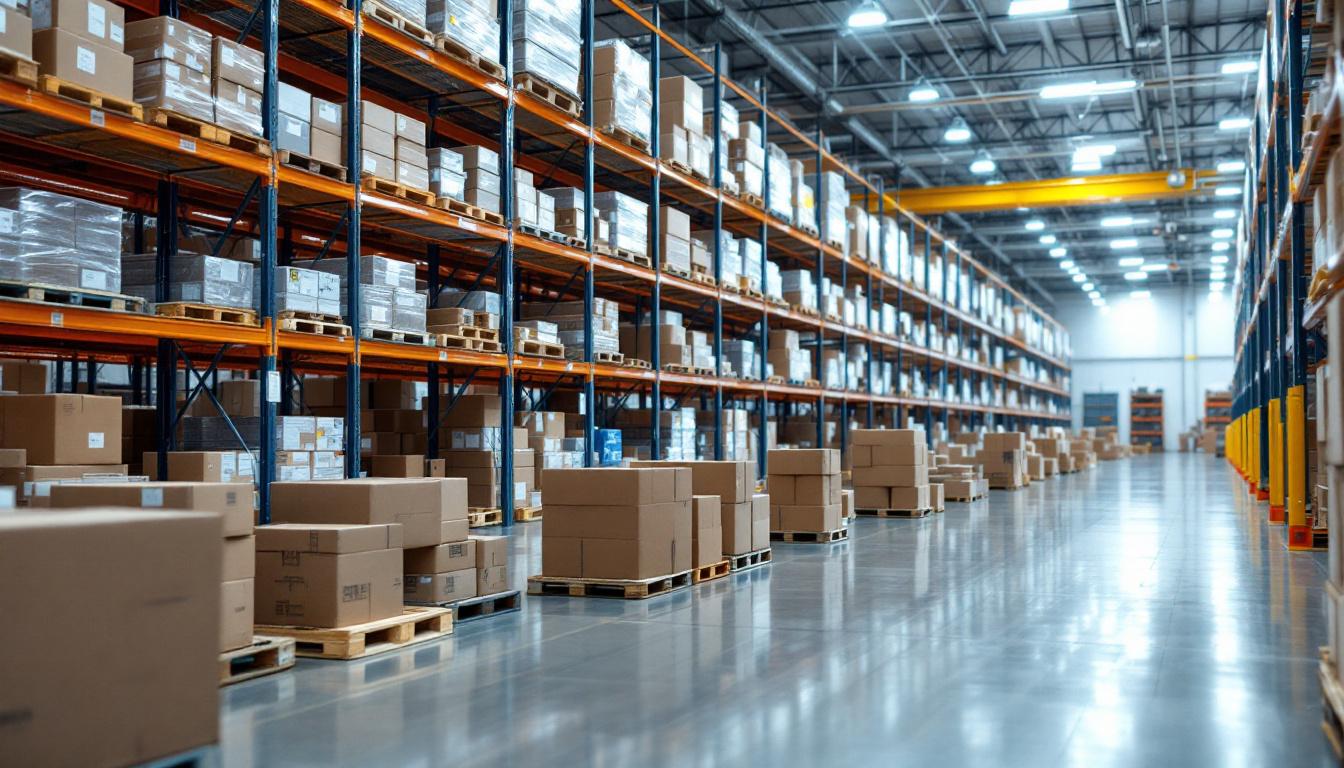
The Hidden Journey: How Big Box Retailers Handle Returns and Fuel the Liquidation Pipeline
The sheer volume of products returned to retailers annually is staggering. From a slightly used smart speaker to a brand-new, unopened laptop, these items represent a significant logistical and financial challenge for companies like Amazon, Best Buy, Target, and Walmart. For consumers, a return is often a simple transaction, but behind the scenes lies a complex and often opaque retail returns pipeline that ultimately determines the fate of billions of dollars worth of merchandise.
Understanding this pipeline is not just an academic exercise; it's crucial for anyone in the liquidation and resale industry. It unveils the mechanisms that create the very inventory you seek, offering insights into its quality, origin, and potential value. At Upscaled Distribution, we specialize in navigating this complex landscape, providing quality wholesale electronics and liquidation services that empower resellers.
The Avalanche of Returns: A Retailer's Constant Battle
Every year, consumers return products worth hundreds of billions of dollars. Industry estimates suggest that the overall return rate for retailers hovers around 10-15% for in-store purchases and can skyrocket to 20-30% or even higher for e-commerce, especially during peak seasons like holidays. For specific categories like apparel, returns can exceed 40%. While electronics generally have a lower return rate than clothing, the high value of these items means that even a small percentage represents a substantial financial burden.
Consider the scale:
- Amazon: With trillions in annual sales, even a 10% return rate means tens of billions of dollars in returned goods.
- Best Buy: A leading electronics retailer, they manage an immense flow of returned TVs, computers, and appliances.
- Target and Walmart: These general merchandise giants deal with returns across countless product categories, from home goods to sophisticated electronics.
This mountain of merchandise cannot simply disappear. It needs to be processed, sorted, and ultimately given a new life, often outside the traditional retail channel. This is where the retailer returns process truly begins, initiating a chain of decisions that impacts everything from inventory management to sustainability efforts.
Why Do Customers Return Products? Unpacking the Reasons
Understanding the "why" behind returns is key to appreciating the diversity of liquidation inventory. It's not always about defects; often, it's about consumer behavior and the nuances of modern shopping.
Buyer's Remorse and Changed Minds
The most common reason for returns. A customer might buy an Apple Watch on a whim, only to decide they don't really need it a week later. Or perhaps they purchased a Samsung TV that doesn't quite fit their living room aesthetic. These items are often in pristine condition, sometimes even unopened.
Online Shopping Challenges
The inability to physically interact with a product before purchase is a significant driver of returns in e-commerce. A pair of headphones might look great online but feel uncomfortable; a laptop screen might appear different in person. "Not as described" or "Doesn't fit" are common reasons, even if the product itself is perfectly functional.
Gifting and Duplicates
During holiday seasons, many items are returned because they were unwanted gifts or duplicates. A customer might receive two identical smart home devices, returning one. These are typically brand new, often still sealed.
Defects and Damage
While less frequent than buyer's remorse, legitimate defects or shipping damage do occur. A new PlayStation console might have a faulty disc drive, or a tablet screen might be cracked during transit. These items require more intensive processing and often end up in lower-grade liquidation lots.
Policy Abuse and Fraud
Unfortunately, a small percentage of returns are due to policy abuse (e.g., "wardrobing" where clothing is worn and returned) or outright fraud. While retailers have systems to detect this, some items still make it into the returns stream.
Each of these reasons contributes to a unique type of returned product, which then dictates its path through the retail returns pipeline.
The Initial Triage: Where Retailers Categorize Returned Goods
Once a product is returned to a store or distribution center, it doesn't immediately get thrown into a liquidation bin. Instead, it undergoes a meticulous retailer returns process of inspection and categorization, often referred to as "triage." This step is critical as it determines the item's potential for resale and its subsequent journey.
Retailers typically classify returned items into several categories:
1. "A-Grade" – New, Resellable Condition
These are the holy grail of returns. The product is unopened, in its original packaging, and perfectly suitable for immediate resale as a new item. This often happens with gifts, duplicate purchases, or items where the customer simply changed their mind before even opening the box. Retailers like Target and Best Buy will attempt to put these back on shelves immediately to recover full retail value.
2. "Open Box" – Like New, Tested, or Repackaged
This category includes items that have been opened but show minimal to no signs of use. Perhaps a customer bought an Xbox, tried it once, and decided it wasn't for them. These items are typically inspected, tested for functionality, cleaned, and repackaged. Best Buy is famous for its "Open Box" program, selling these items at a slight discount directly to consumers. Apple often refurbishes its own devices to an "as new" standard for resale.
3. "Minor Damage/Defect" – Repairable or Aesthetic Issues
These products might have minor cosmetic flaws (a scratch on a laptop casing), missing non-essential accessories (a remote control for a TV), or a easily repairable functional issue. Depending on the retailer's resources and the item's value, they might be sent for in-house repair, refurbished by a third party, or downgraded for liquidation.
4. "Damaged/Defective" – Not Easily Resellable
This category includes items with significant functional defects, heavy cosmetic damage, or missing critical components. A smartphone with a shattered screen, a tablet that won't power on, or a printer missing its print head would fall here. These items are rarely returned to the retail shelf. Their ultimate destination is often liquidation, recycling, or salvage.
5. "Seasonal/Expired/Shelf Pulls"
While not strictly returns, these items also feed into the liquidation pipeline. They are new, unsold products that are being removed from shelves due to seasonality (e.g., Christmas electronics in January), impending expiration (less common for electronics but relevant for other goods), or simply to make room for new inventory. These are often prime candidates for liquidation pallets on QuickLotz because they are typically brand new.
The Decision Point: What Happens to Non-Resellable Merchandise?
Once categorized, retailers must decide the most cost-effective and efficient way to handle items that can't go back on the primary sales floor. This is where the retail returns pipeline diverges dramatically, leading to various outcomes:
1. Return to Vendor (RTV)
For some items, especially those with manufacturing defects, retailers can send them back to the original manufacturer (e.g., Samsung, LG) for credit or replacement. This is an ideal scenario for the retailer, as it minimizes their loss. However, not all products are eligible for RTV, and manufacturers often have strict conditions.
2. Refurbishment & Repair
High-value electronics like Apple MacBooks, Dyson vacuums, or high-end cameras are often sent to specialized refurbishment centers. These centers repair, clean, and re-certify products to "like-new" condition, often with a new warranty. This allows retailers or manufacturers to sell them as refurbished units, recouping a significant portion of their original value. Amazon and Best Buy both have robust refurbishment programs.
3. Donation
Some retailers donate perfectly functional but unsellable items (e.g., open-box items with minor cosmetic flaws) to charities. This offers a tax write-off and positive public relations, but it's not a primary solution for the sheer volume of returns.
4. Recycling & Disposal
Items that are severely damaged, unrepairable, or beyond their useful life may be recycled for parts or disposed of responsibly. This is typically a last resort due to environmental concerns and the cost associated with proper disposal, especially for electronics containing hazardous materials.
5. The Liquidation Channel: The Engine of Resale
For the vast majority of items that fall outside the first three categories but still hold intrinsic value, liquidation becomes the primary solution. This is where the magic happens for resellers and where the phrase how liquidation works truly comes into play.
Deep Dive into Liquidation: Recovering Value from Returns
Liquidation is the process by which retailers sell off large quantities of returned, overstock, or shelf-pull merchandise at a significant discount to recover capital, free up warehouse space, and manage logistics. It’s a vital, often overlooked, part of the retail ecosystem.
Why Retailers Choose Liquidation
- Cost of Holding: Storing returned merchandise is expensive. Warehouse space, inventory management, and labor costs add up quickly.
- Capital Recovery: Even selling goods at a discount is better than holding them indefinitely or disposing of them for zero return.
- Logistical Efficiency: Liquidating large lots streamlines the retailer returns process, preventing bottlenecks in their supply chain.
- Brand Protection: Selling large volumes of discounted items through third-party liquidators allows retailers to recover value without diluting their primary brand or competing with their own new products.
Types of Liquidation Inventory
It's important to differentiate the types of inventory you might encounter in the liquidation market:
- Customer Returns: These are the focus of our discussion. They can range from brand new (unopened) to heavily damaged. This category is diverse and often unpredictable but offers the highest potential for profit if properly sorted and refurbished.
- Overstock/New Excess: Brand new, never sold, in original packaging. These are surplus items that retailers ordered too much of or that didn't sell as expected. Think of a specific model of laptop that was replaced by a newer version before the old stock cleared. This is typically the most desirable inventory.
- Shelf Pulls: Also new, in original packaging, but items that have been removed from retail shelves to make room for new inventory or because they are seasonal. They might have minor shelf wear on the packaging.
- Salvage: Often synonymous with heavily damaged customer returns or items deemed unrepairable by the retailer. These are typically sold "as-is" and are best suited for parts harvesting or for experienced refurbishers.
Understanding these distinctions is paramount when you buy liquidation pallets or bid on lots, as they directly impact your potential profit margins.
The Liquidation Ecosystem: Connecting Retailers to Resellers
The journey of a returned item from a customer's hands to a reseller's inventory involves a complex network of players. Major retailers rarely sell directly to individual resellers. Instead, they partner with large-scale liquidators or utilize specialized online platforms.
Major Retailers and Their Liquidation Channels
- Amazon: Operates one of the largest liquidation programs, moving billions in returned goods annually. Their inventory often flows through dedicated wholesale programs or is sold in bulk to major liquidators.
- Best Buy: Known for its open-box program, but also liquidates vast quantities of customer returns and overstock electronics, including everything from TVs and soundbars to computers and small appliances.
- Target: Liquidates a wide range of general merchandise, including a significant amount of electronics, home goods, and apparel.
- Walmart: Similar to Target, Walmart's massive scale means a constant supply of liquidated goods across all categories.
These retailers typically work