
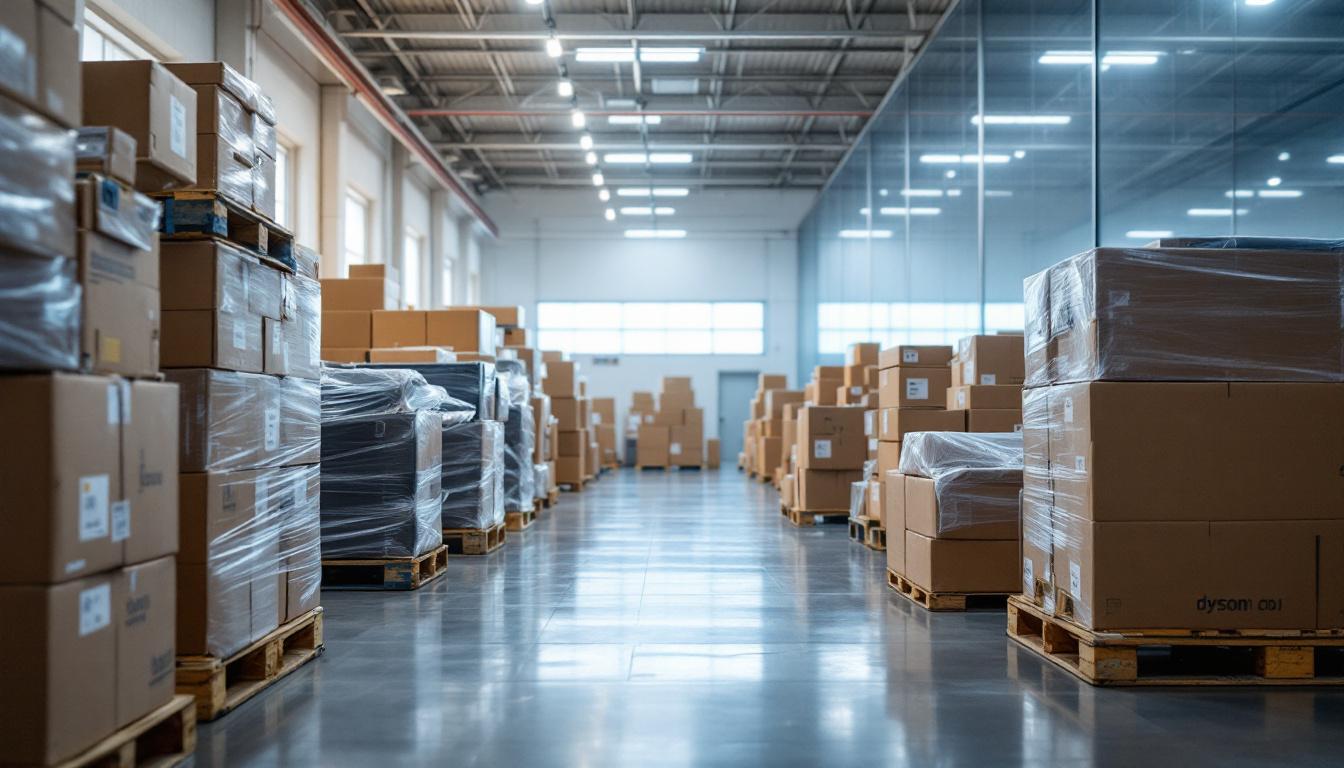
The Unseen Value: Why Dyson and Premium Appliance Liquidation is a Reseller's Gold Mine
In the bustling world of resale, where every penny counts and every margin is meticulously calculated, smart entrepreneurs are constantly searching for their next big opportunity. While many focus on popular consumer electronics or apparel, a less-trodden path offers significantly higher profit potential: the dyson liquidation and premium appliance market. This sector, rich with high-value brands and desirable products, represents an untapped "gold mine" for those willing to learn its intricacies.
From high-end vacuums and innovative air purifiers to sophisticated kitchen gadgets and smart home appliances, the demand for premium goods remains robust. However, not every consumer can afford these items at their full retail price. This is where liquidation comes in, creating a perfect bridge between supply and demand, and offering an unparalleled opportunity for premium appliance resale. This comprehensive guide will delve deep into why this niche is so profitable, how to navigate it, and where to find the best deals to build a thriving resale business.
Why Premium Appliances? Unlocking High-Profit Margins
The allure of premium appliances lies in their inherent value, strong brand reputation, and the persistent consumer desire for quality and innovation. Unlike generic electronics, which can be highly competitive and offer thin margins, premium brands command higher prices even in the secondary market.
The Power of Brand Recognition and Demand
Consider brands like Dyson, Vitamix, KitchenAid, Breville, Nespresso, Samsung, and LG. These aren't just names; they represent quality, innovation, and a certain lifestyle.
- Dyson: Synonymous with cutting-edge vacuum cleaners, powerful hair dryers (like the Supersonic), and sophisticated air purifiers, Dyson products maintain high demand and strong resale value due to their advanced technology and sleek design.
- Vitamix & Breville: Leaders in blenders, juicers, and espresso machines, these brands are staples in many health-conscious and gourmet kitchens.
- KitchenAid: Their stand mixers are iconic and durable, holding their value remarkably well.
- Samsung & LG: These giants produce a vast range of premium appliances, from smart refrigerators and high-efficiency washers/dryers to advanced televisions and sound systems, all of which are highly sought after.
Consumers are often willing to pay a premium for these brands, even if the item is an open-box return or refurbished. This creates a significant gap between liquidation costs and potential resale prices, leading to impressive profit margins for savvy resellers engaged in premium appliance resale.
Retail Pricing vs. Liquidation Pricing
The dramatic difference between retail and liquidation pricing is the cornerstone of this business model. A Dyson V15 Detect Absolute vacuum, for instance, might retail for $750-$800 at Best Buy, Target, or Amazon. A customer return or overstock unit acquired through dyson liquidation could be purchased for a fraction of that cost, sometimes as low as 20-30% of MSRP. Even after factoring in testing, cleaning, and minor repairs, the potential profit can be substantial.
Durability, Repairability, and Customer Perception
Premium appliances are often built with higher quality components, making them more durable and easier to repair than their budget counterparts. This is crucial for liquidation buyers. A slightly damaged Dyson vacuum or a KitchenAid mixer with a missing accessory is often a simple fix that adds immense value. Furthermore, consumers perceive these brands as investments, making them more inclined to purchase them secondhand if the price is right and the condition is good.
Understanding the Liquidation Landscape
To succeed in premium appliance resale, it's essential to understand where these goods come from and how the liquidation process works.
Sources of Liquidation Inventory
Liquidation inventory primarily originates from:
- Customer Returns: This is the largest category. Shoppers buy items, return them for various reasons (buyer's remorse, wrong color, minor defect, or even just opening the box), and retailers can't resell them as "new."
- Overstock: Retailers like Best Buy, Target, and Amazon often over-order products or need to clear warehouse space for new models.
- Shelf Pulls: Items removed from store shelves due to minor cosmetic damage, discontinuation, or approaching end-of-life.
- Freight Damage: Products damaged during transit to the store or warehouse.
Major retailers don't have the infrastructure or desire to individually test, repair, and resell these items. Instead, they offload them in bulk to liquidators, often through blind auctions or direct contracts.
The Role of Liquidators
Liquidators act as intermediaries, buying vast quantities of goods from major retailers and then selling them to smaller businesses and individual resellers. Companies like Upscaled Distribution LLC specialize in connecting resellers with high-quality electronics and appliance liquidation inventory. They sort, manifest, and prepare pallets or truckloads of goods for sale, making the process more accessible for buyers looking to enter the market.
Dyson Liquidation: A Deep Dive into a Powerhouse Brand
Among premium appliances, Dyson stands out as a particularly lucrative brand for resellers. The consistent demand, high retail prices, and innovative technology ensure a strong market for secondhand products.
Why Dyson is Particularly Attractive for Resellers
Dyson's appeal stems from several factors:
- High MSRP: New Dyson products, whether a vacuum, air purifier, or hair styling tool, carry a premium price tag, creating a wide margin for profit when acquired through liquidation.
- Strong Brand Loyalty: Many consumers are loyal to Dyson due to their reputation for performance and design. They often seek out Dyson products specifically, even if they're not new.
- Innovative Technology: Dyson consistently introduces cutting-edge features (e.g., laser detection for vacuums, Coanda effect for hair tools) that keep their products desirable and maintain their value.
- Durability and Repairability: While complex, many Dyson products are well-engineered and can be refurbished with the right parts and expertise.
Specific Dyson Product Categories
When targeting dyson liquidation inventory, look for these popular categories:
- Vacuums: Cordless stick vacuums (V-series like V11, V12, V15 Detect), uprights (Ball Animal), and robot vacuums. These are consistently in high demand.
- Air Treatment: Air purifiers (Pure Hot+Cool, Cool Link), humidifiers, and fans. With increasing focus on indoor air quality, these are becoming more popular.
- Hair Care: The Dyson Airwrap multi-styler, Supersonic hair dryer, and Corrale hair straightener are immensely popular and hold exceptionally high resale values, often selling for close to retail even as open-box returns.
- Lighting: Dyson's sophisticated task lights and floor lamps also represent a niche, high-value opportunity.
When assessing Dyson products from a liquidation lot, pay close attention to the condition, presence of all accessories (especially for the Airwrap and vacuum attachments), and basic functionality. Even units with minor issues or missing parts can be incredibly profitable if you can source replacements or perform repairs. This is where the true art of vacuum liquidation expertise comes into play.
Navigating Premium Appliance Resale Beyond Dyson
While Dyson is a star, the world of premium appliance resale is much broader, offering diverse opportunities across various categories and brands.
Other High-Value Brands to Target
Expand your search beyond Dyson to include these highly desirable brands:
- Vitamix: Professional-grade blenders known for their power and durability.
- Breville: High-end coffee makers, espresso machines, juicers, toasters, and food processors.
- KitchenAid: Iconic stand mixers are a consistent best-seller. Their blenders and small kitchen appliances also perform well.
- Nespresso: Coffee machines and accessories, especially the higher-end models.
- Samsung & LG: Beyond smaller electronics, these brands offer premium washing machines, dryers, refrigerators, dishwashers, and ovens. While logistical challenges exist due to size, the profit margins on these items can be immense. Look for smart features and high-efficiency ratings.
- Instant Pot/Ninja Foodi: While not as "premium" as some others, their higher-end models (e.g., Ninja Foodi Smart XL Grill) offer good margins and rapid turnover.
- Roborock/iRobot Roomba: High-end robot vacuums are another strong contender in the vacuum liquidation space.
Challenges and Opportunities in Large Appliance Resale
Reselling large appliances (refrigerators, washers, dryers) comes with unique challenges:
- Shipping & Storage: These items require significant space and specialized transportation. Local pickup is often preferred.
- Testing: Thorough testing is crucial. Ensure all functions work, and there are no leaks or major electrical issues.
- Repair: More complex repairs might require professional help or specific parts.
However, the opportunities are equally significant. Large appliances have high retail prices, and customer returns or open-box items can be acquired for a fraction of the cost, leading to thousands of dollars in profit per unit. Consider offering delivery and installation services to further enhance your value proposition.
Smaller Premium Appliances
Don't overlook the smaller, easier-to-ship premium kitchen gadgets. High-end coffee makers, food processors, air fryers, and toasters from brands like Cuisinart, Zojirushi, and Sage (Breville's European brand) are always in demand and can be a consistent source of income.
Sourcing Your Inventory: Where to Find the Gold
Finding reliable sources for dyson liquidation and premium appliance resale inventory is paramount. Your success hinges on securing quality goods at competitive prices.
Direct from Liquidators
Working directly with established liquidators like Upscaled Distribution is often the most reliable way to source inventory. Companies like ours purchase large volumes directly from major retailers, ensuring a consistent supply of various product categories. We offer transparency through manifests and often provide options for various lot sizes. If you're looking to scale your business, exploring liquidation services directly from reputable providers is a smart move.
Online Marketplaces and Auction Platforms
Many liquidators list their inventory on specialized online platforms.
- QuickLotz: As a premier liquidation marketplace and our trusted sourcing partner, QuickLotz is an excellent place to find diverse inventory, including pallets of electronics and appliances. You can often find detailed manifests and various lot sizes, from individual pallets to full truckloads. For anyone looking for a reliable wholesale electronics marketplace, QuickLotz should be a go-to resource.
- QuickBidz: Our bidding partner, QuickBidz, is an online auction platform where you can bid on liquidation lots from various categories, including premium appliances and electronics. Auction sites can be competitive but also offer the potential for incredible deals if you know how to assess value quickly. Regularly checking QuickBidz liquidation auctions can uncover hidden gems.
When exploring these platforms, pay close attention to:
- Manifests: Detailed lists of items within a pallet or lot. The more detail, the better. Look for specific models, estimated retail values, and reported conditions.
- Condition Codes: Understand what "customer return," "shelf pull," "as-is," or "tested-working" truly means for that specific seller.
- Shipping Costs: Factor in freight costs, especially for large pallets or truckloads.
Upscaled Distribution LLC is a trusted source for buyers looking to buy liquidation pallets and provides a gateway to these lucrative opportunities, whether through our own inventory or through our partners.
Testing, Refurbishing, and Value Addition
Ac