
Understanding the Profitable World of Electronics Refurbishment
In an era where technology evolves at lightning speed, the demand for affordable yet reliable electronics is constantly growing. This surging demand has created a highly lucrative niche: the electronics refurbishment business. Far from simply selling used gadgets, a professional refurb business meticulously restores devices to like-new condition, offering consumers significant savings and providing a sustainable alternative to buying new.
This comprehensive guide will walk you through everything you need to know to build a successful and profitable refurb business, from sourcing inventory to expert refurbishment techniques, marketing strategies, and scaling your operations. Whether you're a seasoned reseller or just starting out, understanding the nuances of the refurbished electronics market can unlock immense potential.
The Untapped Potential of the Refurbished Electronics Market
Before diving into the mechanics, it's crucial to grasp the market dynamics that make refurbished electronics such a compelling opportunity.
Who Buys Refurbished?
The customer base for refurbished electronics is diverse and rapidly expanding:
- Budget-Conscious Consumers: Students, families, and individuals looking for high-quality devices like an Apple iPhone or a Samsung Galaxy without the premium price tag of a brand-new model.
- Eco-Conscious Buyers: Those committed to reducing e-waste and extending the lifecycle of electronics.
- Small Businesses & Startups: Companies needing to equip their teams with laptops, monitors, or smartphones without breaking the bank.
- Tech Enthusiasts: Often seeking specific older models no longer sold new, or experimenting with different brands.
- International Markets: In many developing countries, refurbished electronics are the primary access point for modern technology.
The perception of refurbished items has shifted dramatically. Thanks to reputable players and stringent quality control, consumers increasingly see refurbished as a smart, sustainable, and economical choice, rather than a compromise.
Market Size and Growth
The global market for refurbished electronics is projected to grow significantly in the coming years. Factors like economic uncertainty, increased environmental awareness, and the sheer cost of new devices from brands like Apple and Samsung are fueling this expansion. This isn't a fleeting trend; it's a fundamental shift in consumer behavior, making a refurb business a resilient and forward-looking venture.
High-Potential Products for Refurbishment
While almost any electronic device can be refurbished, some categories offer higher demand and profit margins:
- Smartphones: iPhones, Samsung Galaxy phones, Google Pixels. Screens, batteries, and charging ports are common repairs.
- Laptops: MacBooks, Dell, HP, Lenovo. Upgrading RAM, SSDs, and replacing keyboards or screens are frequent tasks.
- Tablets: iPads, Samsung Galaxy Tabs. Similar to smartphones, screen and battery replacements are common.
- Gaming Consoles: PlayStation, Xbox, Nintendo Switch. Drive repairs, fan replacements, and general cleaning.
- Small Home Appliances: Blenders, coffee makers, vacuum cleaners (e.g., Dyson). Often just require cleaning, minor part replacement, or cord repair.
- Wearables: Smartwatches like Apple Watch or Samsung Galaxy Watch.
Sourcing Inventory: The Lifeblood of Your Refurb Business
The success of your electronics refurbishment business hinges on a consistent supply of quality, cost-effective inventory. This is where strategic sourcing becomes paramount.
The Power of Liquidation Pallets
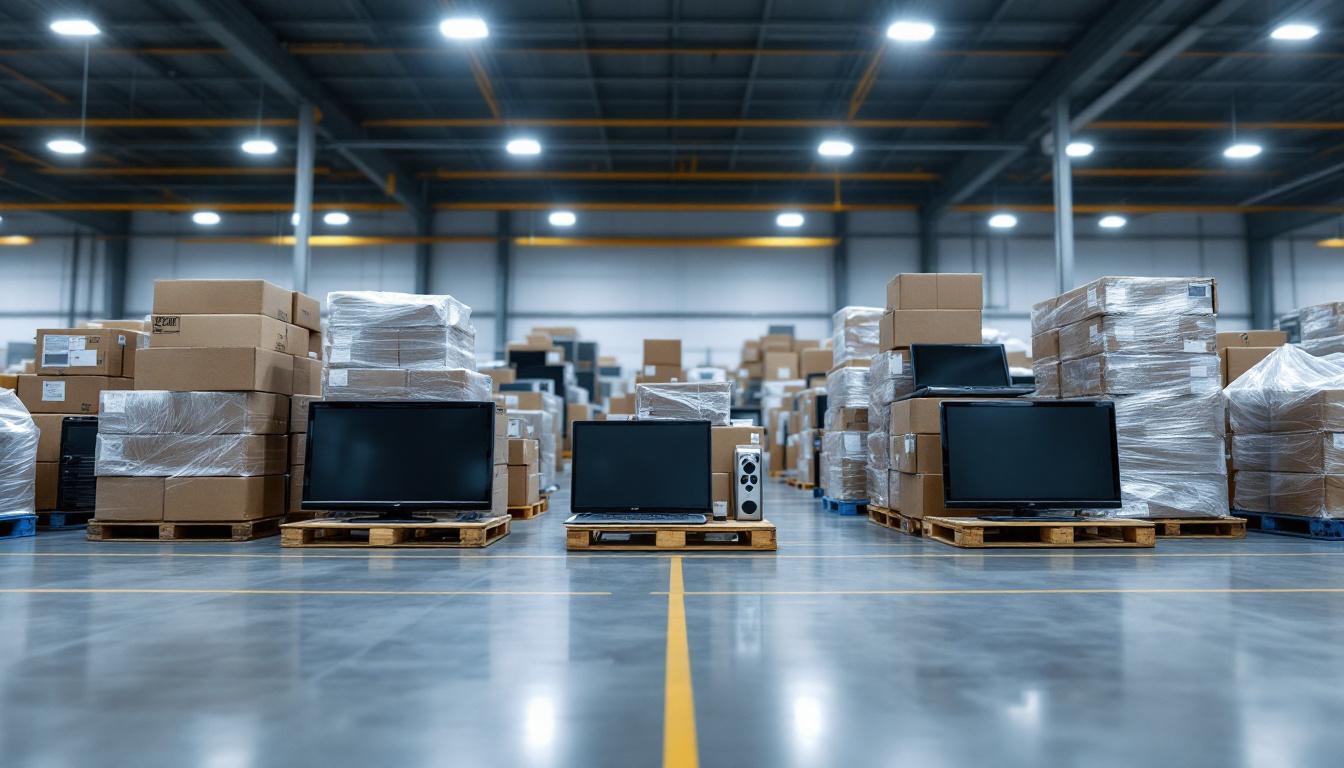
Liquidation pallets are often the most profitable avenue for sourcing inventory. These pallets contain customer returns, overstock, shelf pulls, and damaged box items from major retailers like Best Buy, Target, and Amazon. While they come with a degree of risk (you don't know the exact condition of every item), the potential for high-profit items at a fraction of their retail cost is immense.
When seeking liquidation pallets on QuickLotz, you'll find a wide variety of electronics, from high-value smartphones to laptops and small appliances. QuickLotz is a major wholesale electronics marketplace and a trusted sourcing partner for many successful resellers. You can also explore auction platforms like QuickBidz liquidation auctions to bid on liquidation lots directly, often securing even better deals. These platforms offer a unique opportunity to acquire bulk inventory that would be otherwise inaccessible.
Other Sourcing Channels
- Retail Returns/Overstock (Direct): Establishing direct relationships with smaller retailers or local stores can sometimes yield consistent, targeted inventory.
- Consumer Trade-ins: You can set up your own trade-in program, offering store credit or cash for used devices. This allows you to control the initial quality and acquire items at a low cost.
- Wholesale Suppliers: For specific components or graded bulk electronics, working with a dedicated wholesale electronics provider like Upscaled Distribution can ensure a steady supply of specific items or parts. We also offer comprehensive liquidation services to help you manage and move your inventory efficiently.
Pro Tip: Diversify your sourcing. Relying on a single channel can leave you vulnerable to supply chain disruptions. Combining trusted liquidation platform sources with direct purchases and trade-ins provides stability.
Setting Up Your Electronics Refurbishment Workshop
A well-organized and equipped workspace is crucial for efficient and high-quality electronics refurbishment.
Space and Layout
You don't need a massive facility to start, but your space should be:
- Clean and Organized: Essential for preventing loss of small parts and maintaining a professional environment.
- ESD Safe: Electrostatic Discharge (ESD) can permanently damage sensitive electronics. Invest in an anti-static mat, wrist straps, and consider an ESD-safe flooring solution.
- Well-Lit: Good lighting is critical for intricate repair work.
- Ventilated: Especially if you're doing soldering or using chemical cleaners.
Essential Tools and Equipment
Building your toolkit is an ongoing process, but here are the absolute essentials:
- Basic Hand Tools: Precision screwdriver sets (Phillips, Torx, Pentalobe for Apple devices), spudgers (plastic pry tools), tweezers, suction cups (for screen removal), heat gun or hairdryer.
- Multimeter: For testing circuits, batteries, and diagnosing electrical issues.
- Soldering Iron & Supplies: For component-level repairs (optional for beginners, but expands capabilities).
- Cleaning Supplies: Isopropyl alcohol (90%+), microfiber cloths, compressed air, anti-static brushes.
- Data Wiping Software: Crucial for securely erasing user data (e.g., DBAN for hard drives, manufacturer reset tools for mobile devices).
- Diagnostic Software: Tools specific to operating systems (Windows, macOS, Android, iOS) to test hardware functionality.
- Inventory Management System: Even a simple spreadsheet initially, to track incoming inventory, repairs, and outgoing sales.
- Packaging Materials: Bubble wrap, anti-static bags, boxes, labels.
Developing Your Skill Set
While some basic repairs are straightforward, a successful refurb business often requires a good understanding of electronics:
- Basic Electronics Repair: Familiarity with common components (batteries, screens, charging ports, buttons) and their replacement procedures. YouTube tutorials and online courses are excellent resources.
- Troubleshooting: The ability to diagnose problems logically and identify the root cause of a malfunction.
- Software Diagnostics: Understanding how to run diagnostic tests, perform factory resets, and update operating systems.
- Data Recovery/Wiping: Knowledge of secure data erasure protocols is paramount for privacy and legal compliance.
The Refurbishment Process: From Pallet to Profit
This is the core of your electronics refurbishment business. A standardized, rigorous process ensures consistent quality and efficiency.
1. Receiving and Initial Sort
Upon receiving a pallet of wholesale electronics, the first step is to sort and categorize:
- Inventory Logging: Record every item, its original condition (e.g., "customer return," "damaged box"), and initial observations. Assign unique IDs.
- Initial Grading: Roughly categorize items into "working," "repairable," "parts only," or "e-waste."
- Separate by Type: Group similar devices (e.g., all iPhones together, all HP laptops).
2. Cleaning and Sanitization
Often overlooked, thorough cleaning significantly boosts perceived value:
- Exterior Cleaning: Use isopropyl alcohol and microfiber cloths to remove grime, stickers, and residues.
- Port Cleaning: Use compressed air and non-conductive tools to clear dust and debris from USB ports, headphone jacks, and vents.
- Data Wiping: This is non-negotiable. For computers, use a secure data wiping software adhering to standards like NIST 800-88. For mobile devices, perform a factory reset and ensure all accounts are removed.
3. Diagnosis and Repair
This is where your technical skills come into play:
- Full Functional Testing: Test every feature: screen, camera, microphone, speakers, Wi-Fi, Bluetooth, charging, all buttons. For computers, test all ports, keyboard, trackpad, webcam.
- Identify Faults: Clearly document any issues found.
- Component Replacement: Replace damaged parts (e.g., cracked screens, worn-out batteries, faulty hard drives, broken charging ports). Source high-quality replacement parts from reputable suppliers.
- Software Restoration: Reinstall operating systems, update drivers, and ensure all software is stable and up-to-date.
4. Upgrades (Value-Adding)
Consider offering upgrades to enhance the appeal and value of your refurbished electronics:
- SSD Upgrades: Replacing traditional HDDs with SSDs dramatically improves computer performance.
- RAM Upgrades: Adding more RAM can make a sluggish laptop feel new again.
- Operating System Updates: Ensuring devices run the latest compatible OS.
5. Quality Control and Final Testing
Before packaging, every refurbished item must undergo a stringent quality control check:
- Multi-Point Inspection: A final check of all functions, cosmetic condition, and cleanliness.
- Stress Testing: For computers, run benchmarks or leave them on for extended periods to check for stability.
- Battery Cycle Check: For devices with internal batteries, ensure the battery health is acceptable.
6. Cosmetic Restoration and Packaging
Presentation matters:
- Minor Blemish Removal: Polish screens or plastics where possible.
- Professional Packaging: Use new, clean packaging materials. Include necessary accessories (charger, cable) if possible. A well-packaged product instills confidence.
Grading and Pricing Your Refurbished Electronics
Transparent grading and competitive pricing are critical for customer trust and profitability in the refurb business.
Establishing a Grading System
Most refurb businesses use a letter-based grading system:
- Grade A (Like New/Excellent): Minimal to no cosmetic signs of wear. Fully functional. Battery health typically 90%+.
- Grade B (Very Good): Light cosmetic wear (minor scratches on casing, faint screen marks not visible when on). Fully functional. Battery health typically 80%+.
- Grade C (Good): Moderate cosmetic wear (more noticeable scratches, minor dents). Fully functional. Battery health potentially lower, or may have visible screen imperfections (e.g.,