
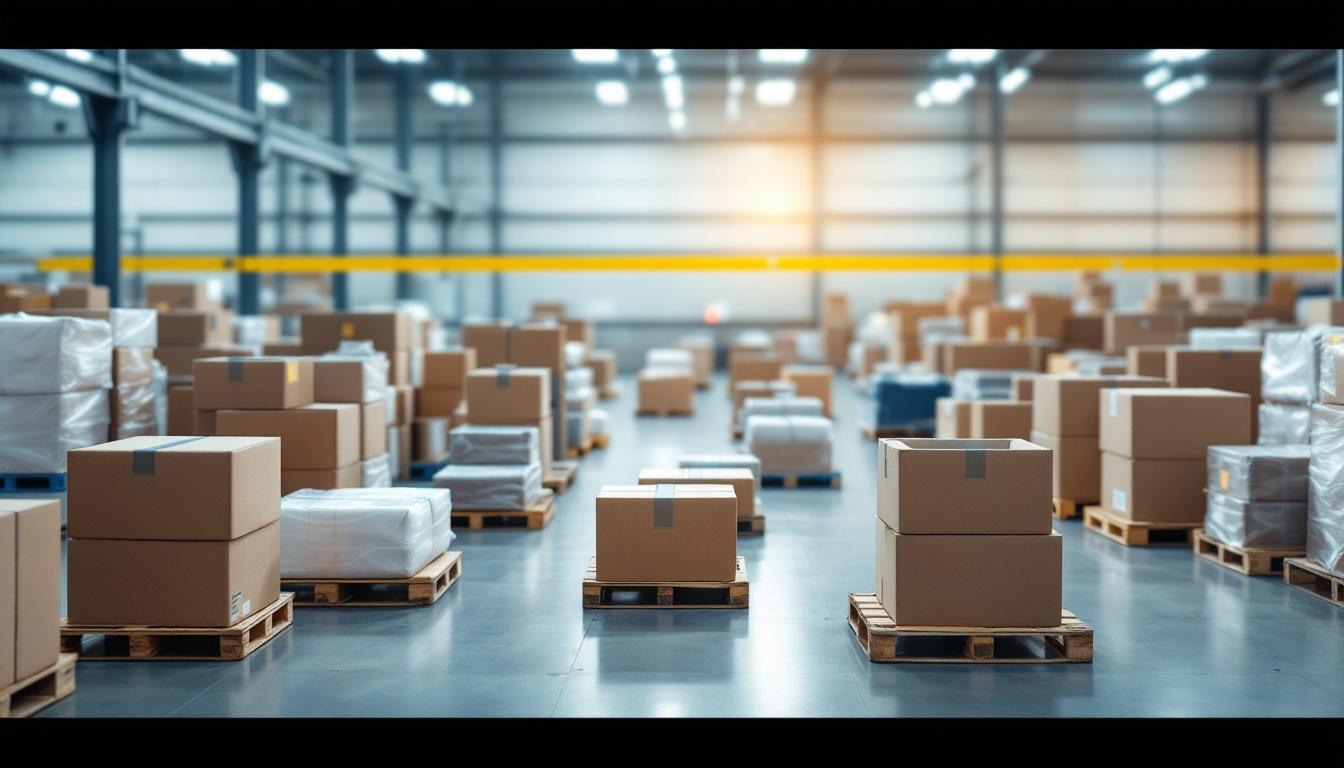
Understanding the Goldmine: Best Buy Liquidation Pallets
The world of retail is dynamic, with products constantly moving in and out of stores. For major electronics retailers like Best Buy, this constant flux generates a significant volume of inventory that eventually needs to be cleared. This is where best buy liquidation pallets come into play, offering a potentially lucrative opportunity for savvy resellers, entrepreneurs, and small businesses looking to capitalize on high-value electronics at a fraction of their retail price.
But what exactly are best buy pallets, and what do you need to know before diving into this exciting, yet often complex, market? This comprehensive guide will walk you through the ins and outs of acquiring and profiting from Best Buy liquidation stock, equipping you with the knowledge to make informed decisions and maximize your resale potential.
What Exactly Are Best Buy Liquidation Pallets?
When you hear "Best Buy liquidation pallets," you're primarily talking about bulk quantities of electronics that Best Buy can no longer sell through their regular retail channels. These pallets are typically composed of:
- Customer Returns: This is the largest component. Shoppers return items for a myriad of reasons – buyer's remorse, wrong size/color, minor defects, or even just because the box was opened. Many of these items are fully functional but can't be sold as "new" anymore.
Best Buy returnsare a constant flow in the liquidation market. - Overstock: Items that didn't sell as expected, seasonal inventory, or products that have been replaced by newer models. These are often brand new, in their original packaging, making them highly desirable.
- Shelf Pulls: Products that have been removed from store shelves, perhaps due to packaging damage, minor cosmetic flaws, or simply to make space for new inventory. They are generally in good condition.
- Refurbished/Open Box: Sometimes, items that have been tested, repaired, or had their packaging opened are grouped into these pallets. Their condition can vary significantly.
These diverse sources mean that best buy pallets can contain a wide array of products, from high-end laptops and smartphones to gaming consoles, smart home devices, and small appliances. The potential for profit lies in understanding the condition and value of these items.
The Journey of Best Buy Returns: From Store Shelf to Liquidation Warehouse
Imagine a customer purchases a new Samsung 4K TV from Best Buy, uses it for a week, and then decides it's too big for their living room. They return it. This TV, now an "open box" item, can't be put back on the shelf as new. Best Buy, like other major retailers, doesn't have the infrastructure to individually test, repackage, and resell every single returned item efficiently.
Instead, these best buy returns are aggregated. They are shipped from individual stores to centralized processing centers or directly to liquidation warehouses. Here, they are sorted, often minimally inspected, and then consolidated onto pallets. These best buy liquidation pallets are then sold in bulk to liquidators, brokers, and directly to businesses looking to buy discounted inventory. This systematic approach allows Best Buy to recover some value from non-retail inventory, clear warehouse space, and focus on selling new products.
Why Best Buy Liquidates: A Business Necessity
Liquidation isn't a sign of failure; it's a standard and essential business practice for large retailers. For Best Buy, liquidating best buy pallets helps them:
- Manage Inventory: Free up valuable warehouse and store space.
- Recover Costs: Recoup a portion of the original product cost.
- Streamline Operations: Avoid the high labor costs associated with individually processing, testing, and reselling every returned or overstock item.
- Maintain Brand Image: Ensure their retail stores always offer the latest and greatest new products.
Understanding this process is crucial for anyone looking to enter the best buy liquidation market, as it sheds light on the nature and condition of the goods you'll be purchasing.
Exploring the Types of Best Buy Liquidation Pallets
Not all best buy pallets are created equal. The type of pallet you purchase will significantly impact your risk, potential profit, and the amount of work required to process the inventory.
Manifested vs. Unmanifested (Blind) Pallets
This is one of the most critical distinctions in the best buy liquidation world:
-
Manifested Pallets: These pallets come with a detailed list, or "manifest," of every item included. The manifest typically specifies:
- SKU/Model Number: Allows you to research the exact product.
- Product Description: A brief overview of the item.
- Quantity: How many of each item.
- Condition Code: A code indicating the item's general condition (e.g., "new," "open box," "functional," "damaged," "untested").
- Original Retail Value (ORV): The estimated retail price of the item.
Pros: Much lower risk, easier to calculate potential profit, better for planning your resale strategy. Cons: Generally more expensive, higher competition, may have lower profit margins per item compared to blind pallets. Advice: Ideal for beginners and those seeking predictable inventory. Always scrutinize the condition codes on
best buy palletsmanifests. "Untested" or "as-is" items, even on a manifest, carry inherent risk. -
Unmanifested (Blind) Pallets: As the name suggests, these pallets come with little to no information about their contents. You might get a general category (e.g., "mixed electronics") and an estimated piece count or weight, but no itemized list.
Pros: Lower acquisition cost, potential for extremely high profit margins if you find valuable items. The "treasure hunt" aspect can be exciting. Cons: Very high risk, unpredictable inventory, requires extensive testing and processing. You could end up with a pallet full of non-functional items. Advice: Best suited for experienced liquidators with robust testing and repair capabilities. Start with smaller, less expensive blind
best buy palletsif you're curious, but approach with caution.
Category-Specific Pallets
Best Buy liquidates a vast range of electronics, allowing you to specialize or diversify your inventory:
- Computers/Laptops: Often includes premium brands like Apple MacBooks, Microsoft Surface, Dell XPS, HP Spectre, and various gaming laptops. These are high-value items, but also require more specialized testing and repair. Many
best buy returnsin this category are simply due to buyer's remorse or minor software issues. - TVs/Home Theater: Large screen TVs (Samsung, LG, Sony), soundbars, home theater systems, projectors. Shipping and storage can be challenging due to size and fragility. Cracked screens are a common defect in
best buy liquidationTVs. - Mobile Devices/Tablets: iPhones, Samsung Galaxy phones, iPads, Android tablets. High demand, but requires careful verification of functionality, iCloud locks, and network status.
- Small Appliances/Smart Home: Dyson vacuums, KitchenAid mixers, Google Nest devices, Amazon Echo speakers, Ring doorbells. These tend to have lower individual retail values but can sell quickly.
- Gaming: PlayStation, Xbox, Nintendo Switch consoles, controllers, games, and accessories. Always in high demand, but consoles often require thorough testing.
- Mixed Electronics: A catch-all pallet that can contain anything from headphones and smartwatches to routers and printers. High variety, but also high unpredictability.
When looking for best buy liquidation stock, consider what categories align with your expertise, selling channels, and storage capacity.
Condition of Items: The Reality of Best Buy Returns
It's crucial to manage your expectations regarding the condition of items on best buy pallets. While you might find brand-new, factory-sealed products, it's more common to encounter:
- New in Box (NIB): Unopened, factory-sealed. The holy grail, but rare in bulk liquidation.
- Open Box (OB): Packaging opened, item might be used once or twice, often fully functional. These are very common for
best buy returns. - Used/Working: Item has been used, shows signs of wear, but functions as intended.
- Used/Non-Functional (Parts Only): Item does not work, potentially good for parts, or requires significant repair.
- Damaged: Cosmetic damage (dents, scratches, cracked screens) or physical breakage.
- Missing Accessories: Cables, manuals, remote controls, or other components might be missing.
Your ability to test, repair, and clean items will directly influence your profitability. Don't expect perfection; plan for imperfections.
The Pros and Cons of Buying Best Buy Liquidation Pallets
Like any business venture, buying best buy pallets comes with its own set of advantages and disadvantages.
The Upsides: Why Best Buy Liquidation is Attractive
- High-Profit Potential: The primary draw. Buying items at a significant discount (often 10-25% of retail) allows for substantial margins when resold.
- Access to Premium Brands: Best Buy carries top-tier electronics. You can acquire Apple, Samsung, Sony, Bose, Dell, HP, LG, and Microsoft products that command high resale values.
- Large Volume Purchasing: Acquire inventory quickly and efficiently, scaling your business faster than sourcing individual items.
- Diverse Inventory: Depending on the pallet, you can offer a wide variety of products to your customers.
- Sustainable Business Model: By giving returned or overstock items a second life, you're participating in the circular economy, which can be a strong selling point.
The Downsides: Risks and Challenges
- Risk of Non-Functional Items: The "as-is" nature means you're taking a gamble. A significant portion of
best buy returnsmight be defective, impacting your profit. - Lack of Warranty/Support: Items typically come without manufacturer warranties, and you become responsible for any post-sale issues.
- Time-Consuming Processing: Each item needs to be un